The repair of roof shingles is something most Omaha homeowners will face sooner than expected, especially after our notorious spring hailstorms roll through Douglas and Sarpy Counties. One day your house looks fine; the next, you spot water stains spreading across the ceiling or notice shingle fragments scattered across your lawn. Left unaddressed, even minor damage leads to mold growth, structural damage, and energy bills that climb month after month.
The good news? Managing roof repairs does not have to feel overwhelming. This guide walks you through five practical steps to assess damage, understand 2026 costs, choose a reliable roofing contractor, and protect your home for the long term. Whether you need minor repairs or extensive work, you will know exactly how to repair roofs the right way and avoid costly surprises.
Key Takeaways
- Most roof repairs in Omaha fall between $400 and $2,500 depending on damage extent, roofing material, and roof design complexity.
- Follow the 5-step process: assess damage, document issues, get professional inspection, compare written quotes, and schedule timely repairs.
- Omaha homeowners face unique challenges from hail, high winds, ice dams, and freeze-thaw cycles that accelerate shingle wear in Douglas and Sarpy Counties.
- DIY patching is risky on steep or aging roofs; licensed contractors help preserve warranties and homeowners insurance coverage.
- If repairs exceed 30% of full replacement cost on an older roof, planning for a new roof often makes more financial sense.
Step 1: Inspect and Document Roof Shingle Damage After Omaha Weather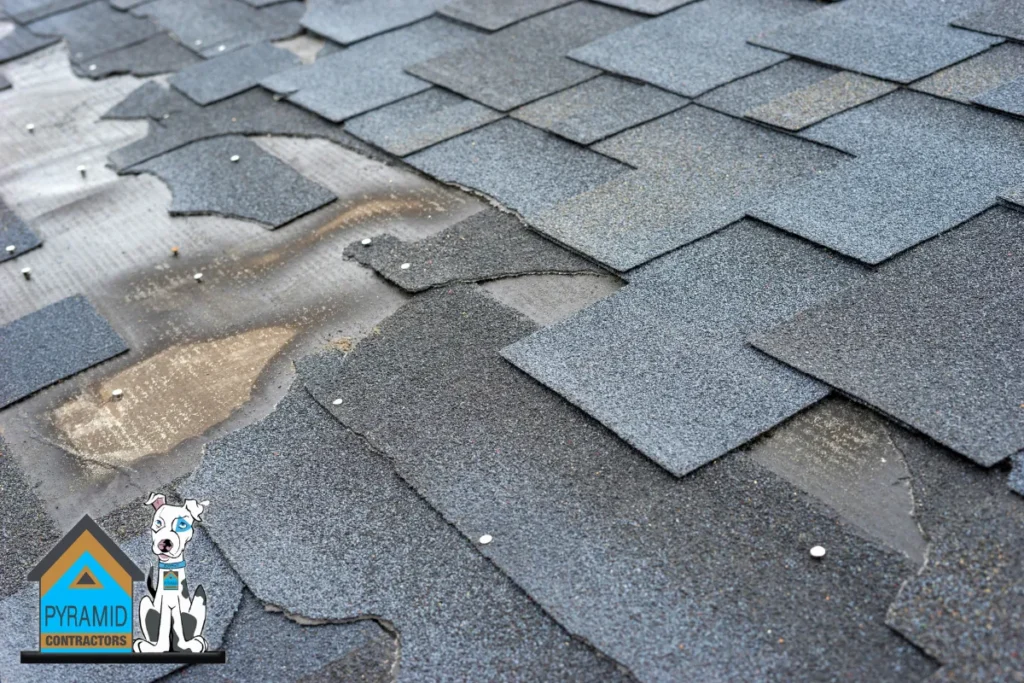
Before calling anyone, your first job is gathering information. A safe, thorough inspection helps you understand what you are dealing with and gives contractors the details they need for accurate quotes. Start from the ground and work your way inside.
Exterior Signs to Look For
Walk the perimeter of your house and scan the roof with binoculars if you have a steep slope. Common signs of trouble include:
- Missing shingles or torn tabs exposing underlayment
- Curling, buckling, or missing shingles that can expose the roof deck
- Lifted shingle edges from nail pops caused by high winds
- Cracked or dented shingles from hail impact
- Displaced ridge caps along the peak
- Damaged flashing around chimneys, vents, and skylights
After the 2024 spring hailstorms in Elkhorn, many homeowners reported 20-30% shingle loss on south-facing slopes. Even if your damage looks less severe, those dents and cracks add up over time.
Interior Checks Matter Too
Head to your attic with a flashlight. Look for:
- New water stains on ceilings or walls
- Peeling paint near the roofline
- Damp or compressed attic insulation
- Musty odors indicating moisture problems
- Daylight showing through roof boards (a sign of structural trouble or failing shingles)
A leaky roof is one of the most common reasons homeowners need roof repairs or a roof replacement. Addressing it sooner rather than later prevents water damage from spreading to walls, ceilings, and framing.
Document Everything
Use your smartphone to capture date-stamped photos and short videos. Get close-ups of damaged shingles, wide shots of affected slopes, and images of any interior evidence. This documentation speeds up communication with your insurance agent and helps contractors provide accurate roof repair costs.
Common Shingle Problems on Omaha Homes in 2024–2026
Omaha’s mix of severe thunderstorms, hail, and freeze-thaw cycles creates a recognizable pattern of damage on asphalt shingles. The most frequent issues include:
| Problem | What It Looks Like | Cause |
| Granule loss | Bald spots on shingles, granules in gutters | UV exposure, aging, hail |
| Diagonal cracking | Hairline to visible cracks across shingle surface | Hail impact, thermal stress |
| Nail pops | Raised bumps lifting shingle tabs | Wind uplift, improper nailing |
| Blistering | Bubbled or raised spots | Poor attic ventilation, trapped moisture |
| Impact marks | Circular dents or fractures | Hail (common in spring/summer) |
Granules from asphalt shingles accumulating in gutters indicate that the protective layer is wearing thin, which can lead to brittleness and cracking. Standard 3-tab asphalt shingles typically last 18-22 years in Nebraska, while architectural shingles can reach 25-30 years with regular maintenance.
Keep simple notes on your roof: estimated age, previous roofing repairs, and which slopes stay icy longest in winter. This information helps contractors quickly pinpoint vulnerabilities.
Step 2: Decide Between DIY Patch and Professional Roofing Contractor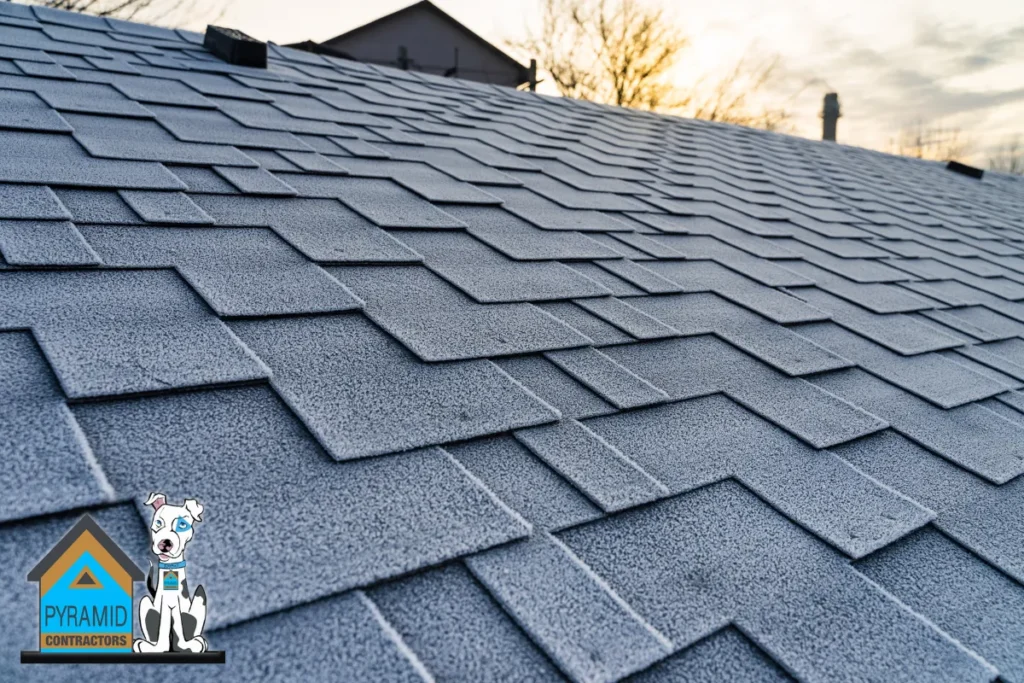
Not every shingle problem requires a professional crew, but most do. Understanding where to draw the line protects both your safety and your wallet.
When DIY Might Work
It is appropriate for homeowners to perform DIY repairs for minor issues on low-slope roofs. You might handle:
- Replacing a single easily accessible shingle on a porch roof
- Temporary tarping under calm, dry weather
- Cleaning debris from valleys on walkable slopes
DIY roof repairs may seem like a cost-effective solution, but they can lead to higher long-term costs due to risks like improper sealing, safety hazards, and voided warranties.
When to Call a Roofing Contractor
Professionals should handle structural damage, leaks with unknown sources, steep roofs, and extensive damage. Default to expert help when you are facing:
- Leaks whose source is unclear or recurring
- Sagging roof sections or soft spots on the roof deck
- Widespread hail bruising across multiple areas
- Damaged flashing around chimneys or skylights
- Any roof older than 15 years
- Steeper roofs (pitches above 6:12)
If a roof is over 10-15 years old, if you are uncomfortable with heights, or if specialized tools are required, hiring a professional is the smart move. Professional roofers ensure work is safe, up to code, and often backed by warranties.
Hiring a professional roofing contractor ensures that the job is done correctly and efficiently, as they bring experience, speed, and warranties that DIY repairs typically lack.
Safety and Legal Considerations in Omaha, Nebraska
Professional crews follow OSHA safety standards, including harnesses, guardrails, and secure ladder placement. Falls account for a significant percentage of roofing fatalities, so this is not an area to cut corners.
While Nebraska does not require statewide licensing for every handyman, Omaha expects roofing contractors to:
- Carry liability insurance (typically $1M minimum)
- Maintain workers’ compensation coverage for crews
- Follow local building codes aligned with the International Residential Code
- Obtain permits for significant repair work or re-roofing projects
Many roofing material manufacturers require specific installation parameters to be met for warranties to remain valid, making professional installation often necessary to ensure coverage. Before anyone climbs your roof, ask for proof of insurance and verify they handle permit paperwork for your project.
One important note: avoid pressure washing shingle roofs. This practice strips protective granules and can void manufacturer warranties. Omaha building standards favor gentle cleaning methods that preserve your existing roof.
Step 3: Understand Typical 2026 Costs for Roof Repairs in Omaha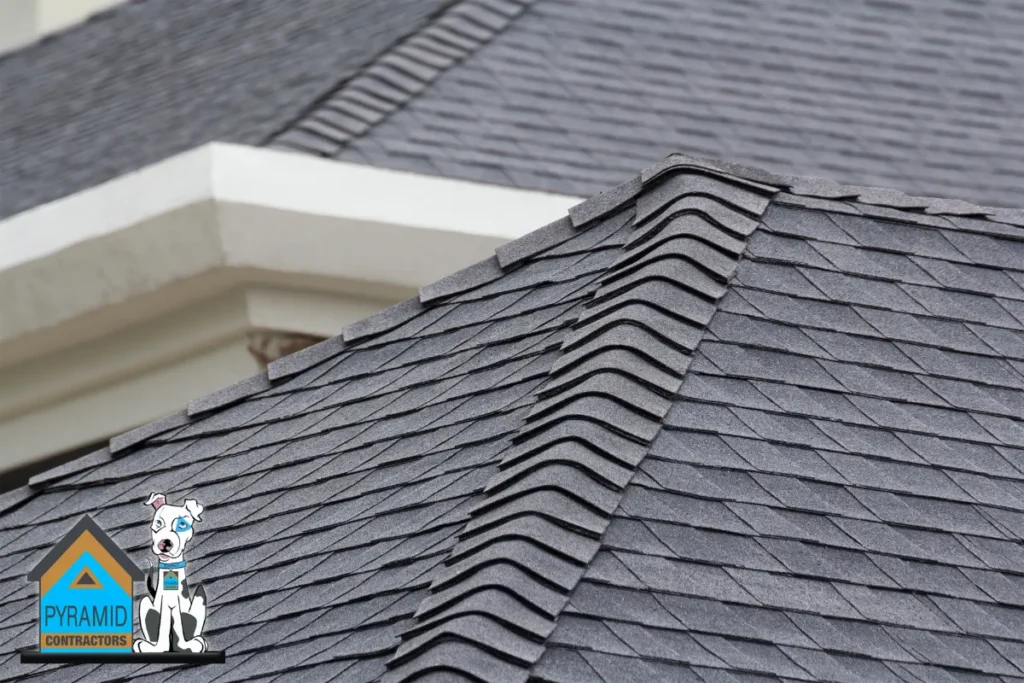
Knowing average costs helps you recognize fair estimates, plan your budget, and prioritize which fixes come first. In 2026, the national average cost to repair a roof is about $1,150, with costs fluctuating between $400 and $1,900 depending on various factors such as roof condition and materials.
Cost Ranges by Severity
| Repair Type | 2026 Cost Range | Typical Scope |
| Minor repairs | $300–$1,000 | 1-5 shingles, small leak sealing |
| Moderate repairs | $1,000–$3,000 | 10-50 sq ft, flashing work |
| Extensive repairs | $3,000+ | Decking rot, multiple slopes |
| Full replacement | $9,000–$18,000 | 2,000 sq ft home, tear-off included |
Roof repair cost factors include pitch, number of stories, access difficulty, and local labor rates. Midwest rates generally run lower than coastal markets, but Omaha’s storm season keeps demand high.
A written estimate from a reputable roofing contractor should itemize labor, materials, disposal fees, and any necessary sheathing or flashing work.
Cost Per Square Foot and Material Choices
For asphalt shingles, expect repair cost per square foot between $3 and $7 for localized work. Premium architectural shingles or impact-resistant products cost more but may qualify for insurance discounts of 10-20%.
Material comparison for 100 square feet of repair:
- Asphalt shingles: $300-$700
- Metal roof: $1,000-$1,500 (specialized labor, crane needs)
- Slate roofs: $1,500-$2,500 (fragile, scaffolding required)
Asphalt composition shingles are the most common roofing material in the U.S. due to their affordability and ease of installation. Metal roofs are becoming increasingly popular for residential homes due to their durability, fire resistance, and modern aesthetic, although they require specialized installation.
Slate roofing is known for its longevity, often lasting over 150 years, but it is heavy and can be difficult to repair if damaged. Wood shakes or shingles provide a classic look and are durable in various weather conditions, but they pose a fire risk and can be more expensive than asphalt shingles. Clay or ceramic tile roofs are commonly found in warmer climates and are valued for their aesthetic appeal and fire resistance, but they are heavier and can crack under stress.
Repair costs for slate roofs average around $1,800, while metal roof repairs are close behind at approximately $1,700, reflecting the higher quality and complexity of these materials. Repairing a flat roof generally costs less than repairing a steep roof due to the complexity and safety requirements involved in accessing steep roofs.
Key Roof Repair Cost Drivers in Omaha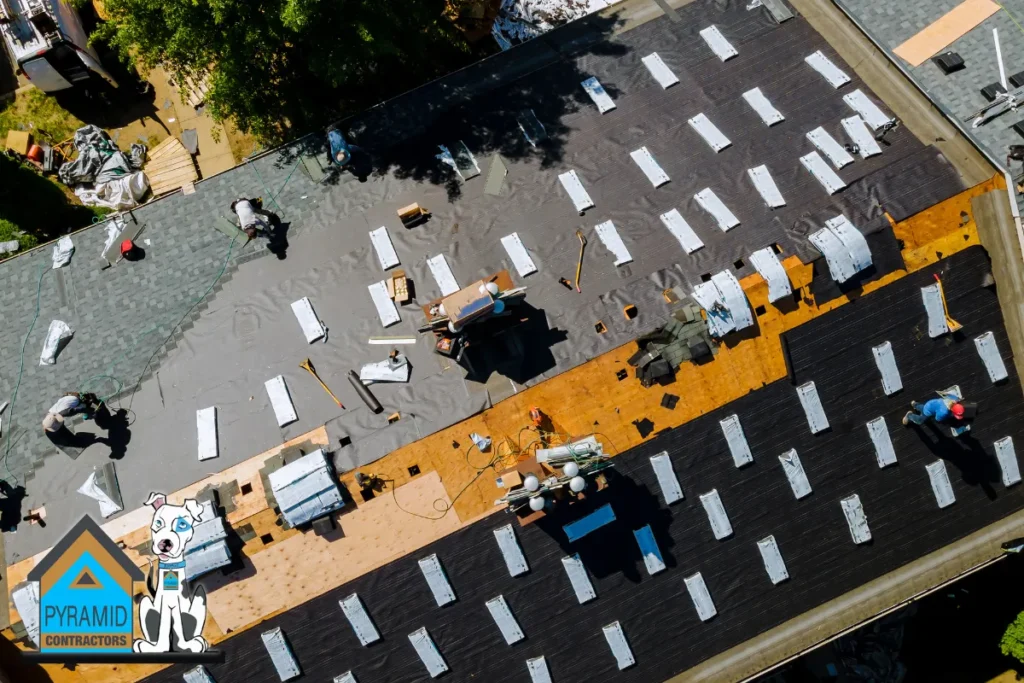
Several factors push costs up or down:
- Leak severity: Active leaks requiring immediate attention cost more
- Shingle loss extent: Replacing scattered shingles across multiple areas adds labor
- Hidden decking rot: Damaged wood decking or roof boards require removal and replacement
- Flashing issues: Chimney and skylight repairs involve specialized work
- Structural problems: The cost to repair a sagging roof can range from $750 to $3,000, depending on the extent of the damage and whether structural beams need to be replaced
Labor costs for roofing repairs typically range from $50 to $75 per hour, making up about 60% of the overall repair costs. Common add-ons include:
- Replacing roof vents ($75-$250 each)
- New underlayment in patched sections
- Re-sealing valleys and transitions
- Upgrading attic ventilation to prevent ice dams
- Dumpster and debris removal fees ($400+)
Common roof repair methods include replacing damaged or missing shingles, repairing or replacing roof flashing, sealing leaks, cleaning gutters, and replacing damaged roof decking. Flashing is critical for waterproofing joints and involves resealing joints or replacing corroded sections to redirect water. Leak sealing often involves applying roofing cement or specialized sealants to small cracks or holes.
Structural repairs may require removal of surface materials to replace damaged plywood or beams if the roof deck is sagging or rotting. Be wary of unusually low bids that skip essentials like underlayment or flashing—these shortcuts lead to costly repairs down the road.
Read How Much Does Roof Repair Cost in Omaha, NE for 2026?
Step 4: Compare Roofing Contractor Quotes and Check Credentials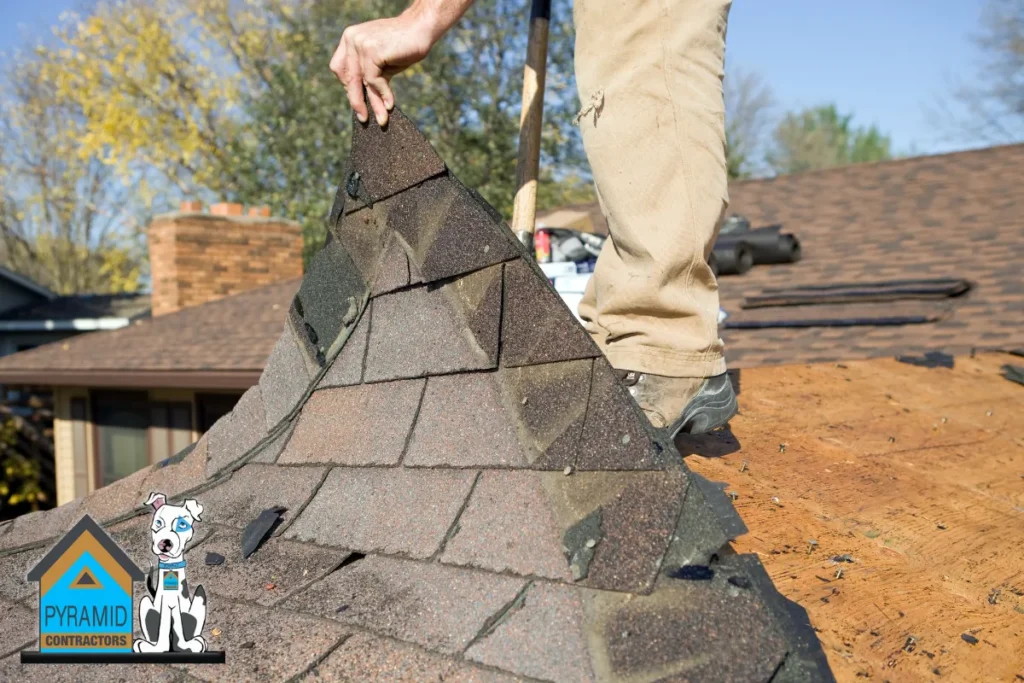
Getting at least two to three written quotes helps you understand scope differences and spot red flags. Not all estimates are created equal.
What to Request
Ask each contractor for quotes that describe:
- Specific repair locations with photos or diagrams
- Materials by brand and grade (GAF, Owens Corning, etc.)
- Number of shingles or squares included
- Whether any structural work is anticipated
- Timeline for completion
Check online reviews and ask neighbors in Omaha subdivisions built between 1995 and 2015 about their recent roofing repairs. Verify how long each company has served the metro area and whether they specialize in storm damage common to our region.
Clarify warranty terms carefully. Material warranties from manufacturers differ from workmanship guarantees offered by the contractor. Understand what each covers and for how long.
What a Clear Roof Repair Proposal Should Include
A professional proposal should contain:
| Section | Details to Look For |
| Homeowner info | Name, property address, contact |
| Roof description | Slopes affected, square footage, pitch |
| Material list | Shingle type, underlayment, flashing materials |
| Labor breakdown | Hours estimated, crew size |
| Protection measures | Tarping, nail cleanup, shrub protection |
| Payment terms | Deposit amount, progress payments, final due date |
| Permit handling | Who files, associated fees |
Quotes should specify whether the contractor will match your existing shingle color and style or propose a close alternative if the original line has been discontinued.
Check payment schedules carefully. Reasonable deposits are normal, but avoid paying in full before the final walkthrough. Confirm whether the contractor handles permits with the City of Omaha or nearby jurisdictions like Bellevue, La Vista, or Papillion.
Step 5: Schedule, Prepare, and Maintain After Roof Repairs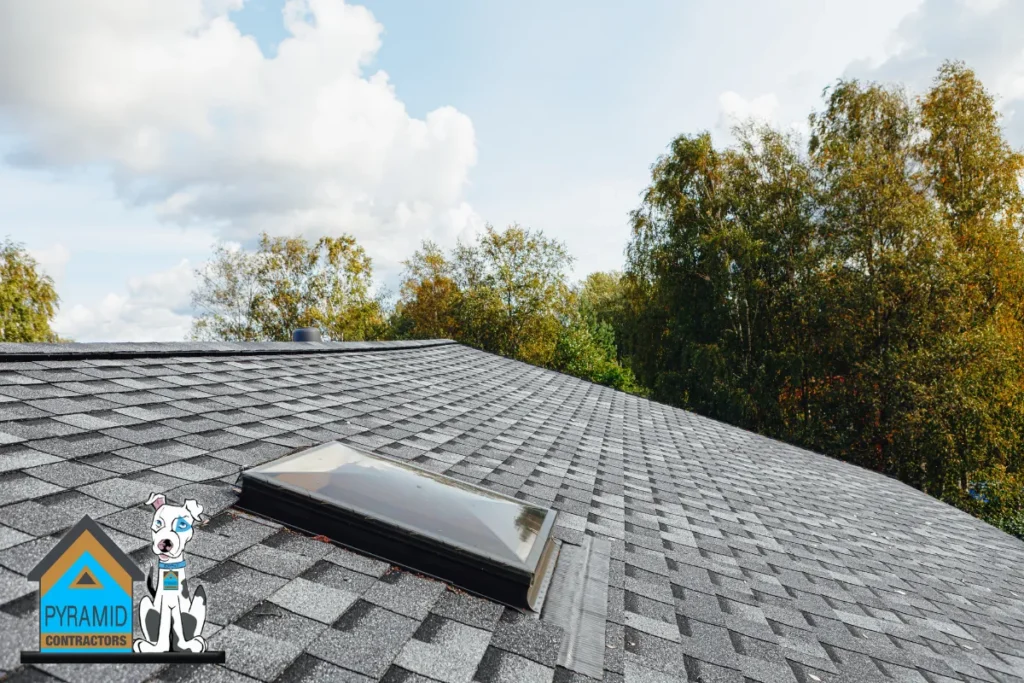
Once you have chosen a roofing contractor, proper scheduling and preparation help the project run smoothly.
Scheduling Smart
Schedule repair work during a stable weather window. Nebraska spring and fall bring unpredictable rain and wind, so build in cushion days. Peak storm seasons (late spring through early summer) mean longer lead times as contractors handle emergency calls after hail events.
Homeowner Prep Checklist
Before the crew arrives:
- Move vehicles away from the house
- Protect patio furniture and grills
- Secure pets indoors
- Clear the driveway and walkways
- Alert neighbors about possible noise and debris
The Repair Sequence
Most projects follow this general flow:
- Setup and safety equipment installation
- Removal of damaged shingles and debris
- Inspection of roof deck for rot or damage
- Installation of new underlayment where needed
- Placement and nailing of replacement shingles
- Flashing repairs and sealant application
- Final cleanup and magnetic nail sweep
Post-Repair Maintenance
Your work is not done when the crew leaves. To save money and extend roof life:
- Clean gutters quarterly to prevent water backup
- Check the attic after heavy storms for new moisture signs
- Schedule annual visual inspections once your roof passes 12 years
- Trim overhanging branches that drop debris
When to Repair Roofs vs. Plan a Full Replacement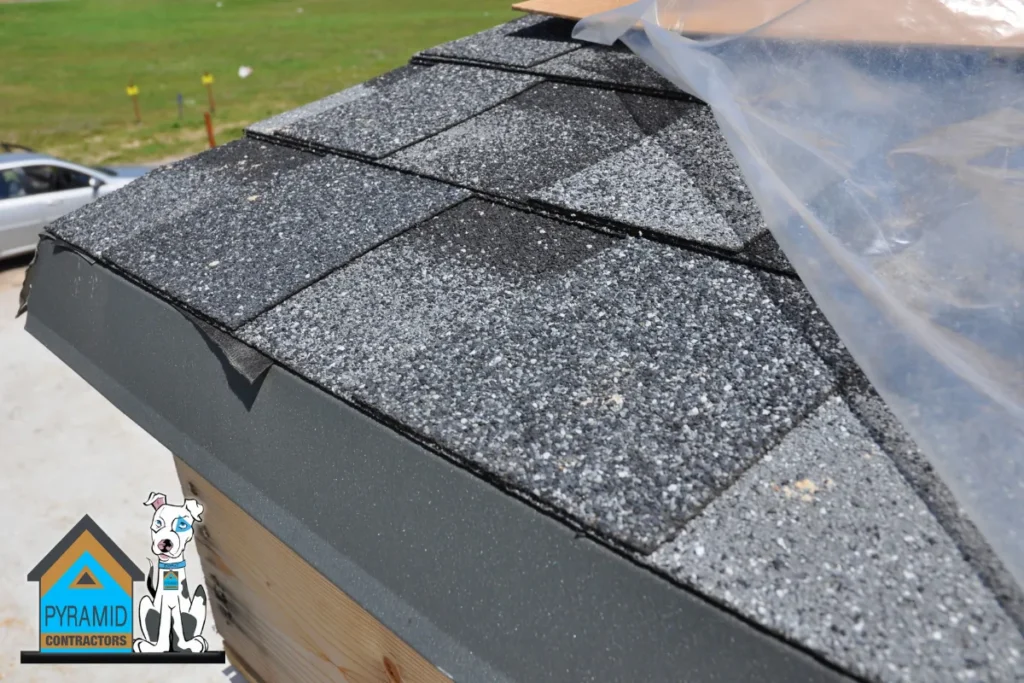
If repairs are going to cost more than 30% of the cost of a new roof, it is usually smarter to replace it instead. Here is a quick decision guide:
Repair makes sense when:
- Damage is isolated to one or two areas
- Your roof is relatively young (under 15 years for asphalt)
- You have a small number of missing shingles
- Flashing issues are localized
Replacement makes more sense when:
- Widespread granule loss affects entire slopes
- You have patched multiple leak locations over time
- Sagging or soft spots indicate structural issues
- Your roof has reached 70-80% of its expected lifespan
Frequent leaks, water stains, or interior damage are clear signs that your roof may not be doing its job, and if you have patched leaks multiple times, it may be time for a full roof replacement.
If your roof is nearing the end of its expected lifespan, repairs are often just a temporary fix rather than a long-term solution, making replacement a more viable option. Replacing an older, damaged, or failing roof can be worth the investment, especially if you plan to stay in your home for several decades or sell soon, as it can save on ongoing repair costs.
A trusted roofing contractor can provide side-by-side estimates for targeted roof repairs and complete roof replacement so you can compare real numbers rather than guess.
How Omaha’s Climate and Building Codes Affect Roof Repairs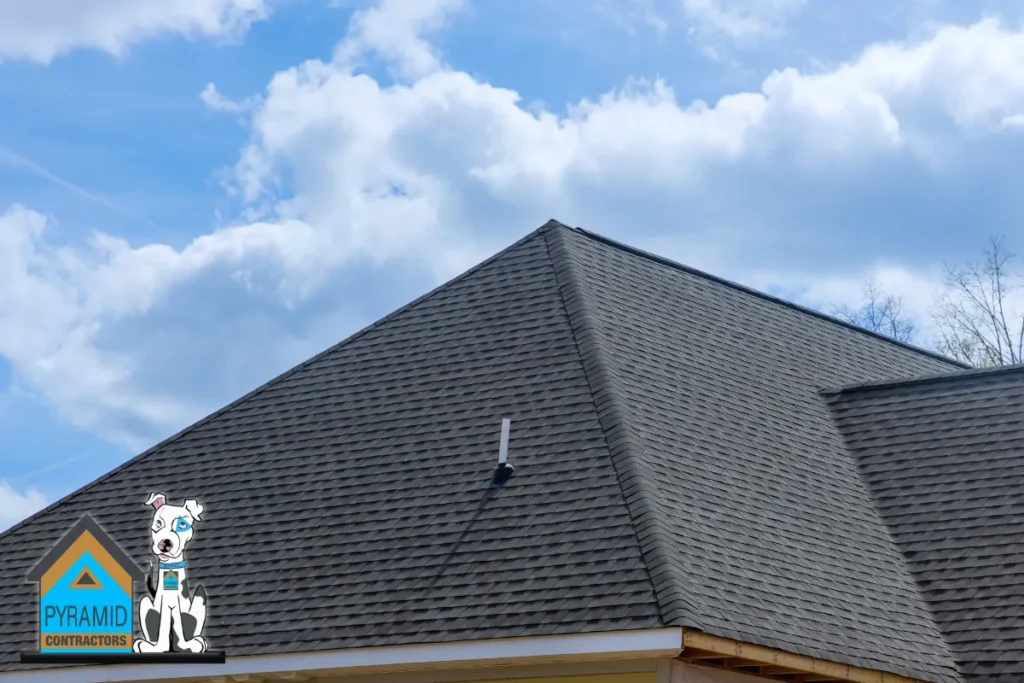
Local climate patterns and building codes shape both the materials contractors use and best practices for shingle work in our area.
Weather Threats Specific to Omaha
Omaha experiences 5-10 hail events annually capable of causing shingle dents or cracks. Add severe thunderstorms, straight-line winds exceeding 70 mph, and freeze-thaw cycles that occur roughly 10 times per year, and you understand why roofs here age faster than the national average.
Many Omaha homes use asphalt shingles rated for specific wind speeds (110 mph minimum per local codes) and impact resistance. Repairs should always maintain or improve these ratings to keep your roof depends on its original protection level.
Local Code Requirements
Douglas and Sarpy County codes require:
- Ice and water shield from eaves to 24-36 inches inside the exterior wall line
- Proper nailing patterns (4-6 nails per shingle)
- Adequate attic ventilation (1:150 net free area ratio)
- Wind-rated shingles meeting minimum standards
Compliant roofing repairs support long-term durability, help insurance outcomes, and lower the risk of code-related issues during home sales. Always confirm your contractor follows current standards.
Preventive Maintenance to Reduce Future Roof Repairs
Schedule professional roof inspections every 1-2 years, especially after major hailstorms or once the roof passes 12-15 years old.
Practical maintenance tasks include:
- Keeping gutters and downspouts clear of debris
- Trimming branches that overhang the roof
- Removing leaves and debris from valleys
- Monitoring for moss, mold, or algae growth that can trap moisture
Moss, mold, or algae growth on the roof can trap moisture, leading to damage over time, and should be addressed promptly. Avoid harsh chemical cleaners or aggressive pressure washing—both strip granules and shorten roof life.
Good attic insulation and ventilation reduce ice dam formation along eaves, a major cause of winter leaks in cold Midwestern climates. Keeping moisture out protects the structural integrity of your entire roofing system.
Keep maintenance records and photos. They show future buyers or insurers that you have cared for your property systematically.
Frequently Asked Questions
Below are additional questions Omaha homeowners commonly ask about managing roof repairs and shingle maintenance.
How long does a typical shingle roof repair take in Omaha?
Many minor repairs, such as replacing a handful of tabs or fixing a small leak near a vent, can be completed in half a day to one full day under good weather conditions. Moderate repairs involving multiple slopes, flashing upgrades, or limited decking replacement may take one to three days, while large projects or partial reroofs can extend to several days depending on crew size. During peak storm seasons in late spring and early summer, expect longer lead times before work begins, as reputable contractors handle many emergency calls after hail events. Weather delays are normal in Nebraska, and professional crews will adjust schedules to ensure shingles are installed during dry, suitable conditions for proper seal activation.
What should I do before my insurance adjuster inspects roof damage?
Gather your documentation before the adjuster arrives: note the date and time of the storm, collect photos of hail or wind damage on your property, capture interior leak evidence, and record any temporary tarping or mitigation steps you took. Having a roofing contractor’s preliminary inspection report or estimate on hand allows you to compare findings with the adjuster’s assessment. Plan to be present during the inspection so you can ask clarifying questions and take notes about what is observed regarding necessary roof repairs. Remember that policies differ by insurer, so review your own coverage documents or speak with your insurance agent for specific guidance on your claim process.
Are small nail pops and single cracked shingles urgent to repair?
A few isolated nail pops or a single cracked shingle are usually not emergencies, but they should be addressed within a reasonable timeframe to prevent water intrusion. Raised nails create tiny gaps under shingles that can catch wind or allow slow seepage, especially during driving rain common in Nebraska thunderstorms. Consider bundling these minor issues into a scheduled maintenance visit, as a roofing contractor can reseal, renail, or replace affected shingles quickly and affordably. Ignoring clusters of nail pops, especially on older roofs approaching the 15-year mark, can lead to larger sections loosening and significantly more expensive roofing repairs down the road.
Should I repair my roof before listing my Omaha home for sale?
Addressing obvious shingle damage, active leaks, or missing flashing before listing generally pays off by preventing last-minute negotiations or failed buyer inspections. Many buyers and their lenders are wary of aging or visibly damaged roofs and may request concessions or repairs as conditions of closing, which can delay your sale or reduce your net proceeds. Obtain a written inspection and complete cost-effective roof repairs that improve curb appeal and reduce deal uncertainty, documenting all work for potential buyers. For very old roofs near the end of their lifespan, discuss options with your real estate agent and roofing contractor to determine whether replacement or a price adjustment makes better financial sense for your situation.
What if I discover a roof leak during a Nebraska winter storm?
First, protect your interior by placing buckets or containers under drips, moving belongings away from the leak area, and carefully relieving any bulging ceiling paint if you feel safe doing so. Call a roofing contractor promptly to arrange an emergency inspection; in severe weather, crews may install temporary tarps or emergency patching until full repairs are safe to perform. Long-term roofing repairs requiring shingle replacement might be scheduled for a milder weather window, especially if snow and ice make roof access hazardous for workers. Document the leak with photos and detailed notes, as this information helps both repair planning and any insurance discussions related to storm-related damage.
Disclaimer: This article provides general information about roof repairs in Omaha, Nebraska and does not constitute legal, insurance, or code-compliance advice. Consult local professionals for project-specific guidance and verify current building requirements with your municipality.
Get in Touch with a Roofing Contractor in Omaha, NE
When your Omaha home needs professional attention, we are ready to help. At Pyramid Contractors, we specialize in roof repairs for homeowners across Douglas and Sarpy Counties who need reliable work after hail, wind, and winter weather take their toll.
We handle everything from minor repairs on a few damaged shingles to extensive roofing repairs involving flashing, decking, and full shingle replacement. Our team understands the unique challenges Omaha weather creates, and we respond quickly after storms so you are not left waiting with a tarp on your roof.
Our process is straightforward: we provide thorough inspections, clear written estimates, and honest recommendations about whether repair of roof sections or a larger project makes more sense for your situation. Every job comes backed by our workmanship warranty.
Ready to protect your home? Call us at (402) 502-9300 or fill out our online contact form for a free roof inspection. We serve Omaha, Nebraska and the prominent surrounding areas, and we look forward to earning your trust.