Roof repair is one of those home repairs that catches many Omaha homeowners off guard—both in timing and price. If you’re wondering what you’ll spend in 2026, expect most residential roofing repairs to fall between $350 and $2,400, with the majority of common asphalt shingle jobs landing in the $900–$1,300 range.
Minor patch work, like sealing a small leak or replacing 10–20 shingles, often runs $200–$350 including labor and materials. However, major structural fixes involving decking replacement or extensive storm damage on steep roofs can exceed $4,000.
These estimates are based on 2024–2025 Midwest roofing market trends, adjusted for anticipated 8–10% material inflation and 5–7% labor rate increases by 2026. Your actual quote will vary based on contractor, material choice, roof complexity, and whether insurance is involved. Always request a written, line-item estimate before any work begins.
Key Takeaways
- Typical roof repairs in Omaha, NE range from about $350–$2,400 in 2026, with most homeowners paying around $900–$1,300 for common asphalt shingle issues
- Costs depend heavily on roof size, pitch, material type (asphalt, metal, tile), and the severity of damage—from minor leaks to structural rot
- Omaha’s hail, wind, snow, and freeze-thaw cycles make regular inspections and timely roofing repairs critical to avoid major structural problems
- Homeowners can often use insurance for storm-related damage, but routine wear-and-tear typically is not covered
- Working with a licensed, insured local roofing contractor who understands Omaha building codes is essential for safe, code-compliant work
Omaha’s Climate and Why Roof Repairs Keep Rising in 2026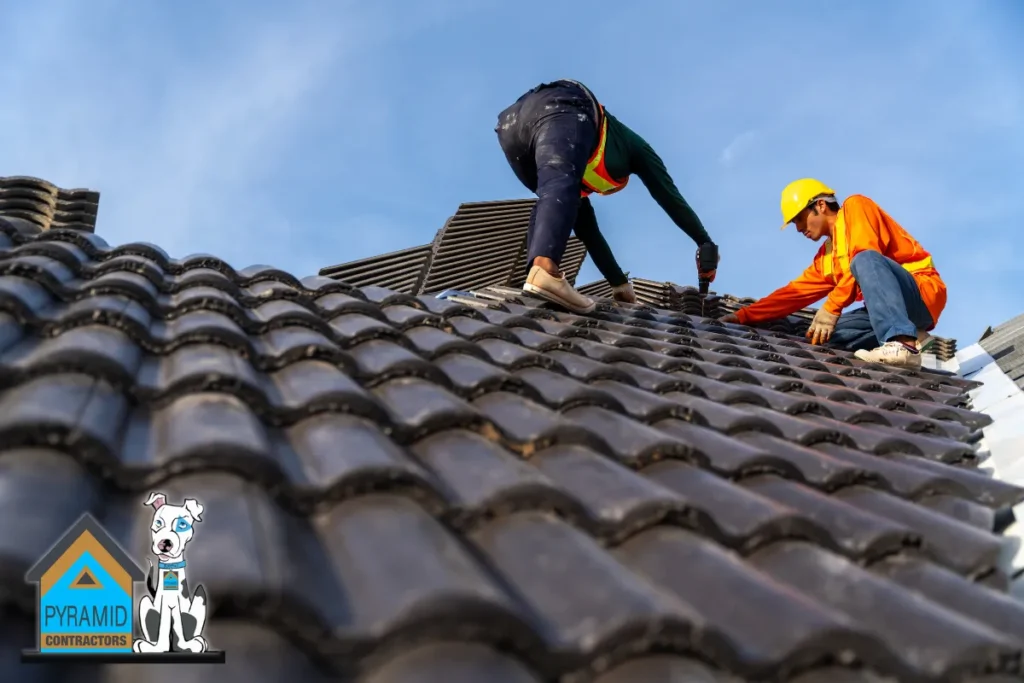
Omaha’s four-season climate is tough on roofs. Hot summers with average highs of 85–90°F, severe thunderstorms producing hailstones up to 2–3 inches, winds gusting 60–80 mph, and heavy snowfall of 40–50 inches annually all take their toll. Add in 100+ freeze-thaw cycles each winter, and you have conditions that accelerate shingle deterioration, cause ice dams, and lead to deck rot.
The city sits in “Hail Alley,” averaging 8–10 hail events per year. Major storms in 2014, 2019, and 2024 caused widespread roofing damage across the metro. This frequency drives up both the urgency and cost of repairs throughout the region.
Why costs keep climbing:
- Asphalt shingle prices have risen 30–50% since 2020 due to supply chain disruptions
- Plywood for decking is up 15–20% heading into 2026
- Skilled labor rates in Omaha now range $39–$55/hour, driven by worker shortages
- Douglas County building code updates (adopted 2023) require ice-and-water shields in eaves and valleys, adding $1–$2 per square foot
Factor ongoing climate-related wear into your budget—not just one-time events like hailstorms. Regular inspections help homeowners catch issues before they become expensive emergencies.
Typical 2026 Price Ranges for Common Roof Repairs in Omaha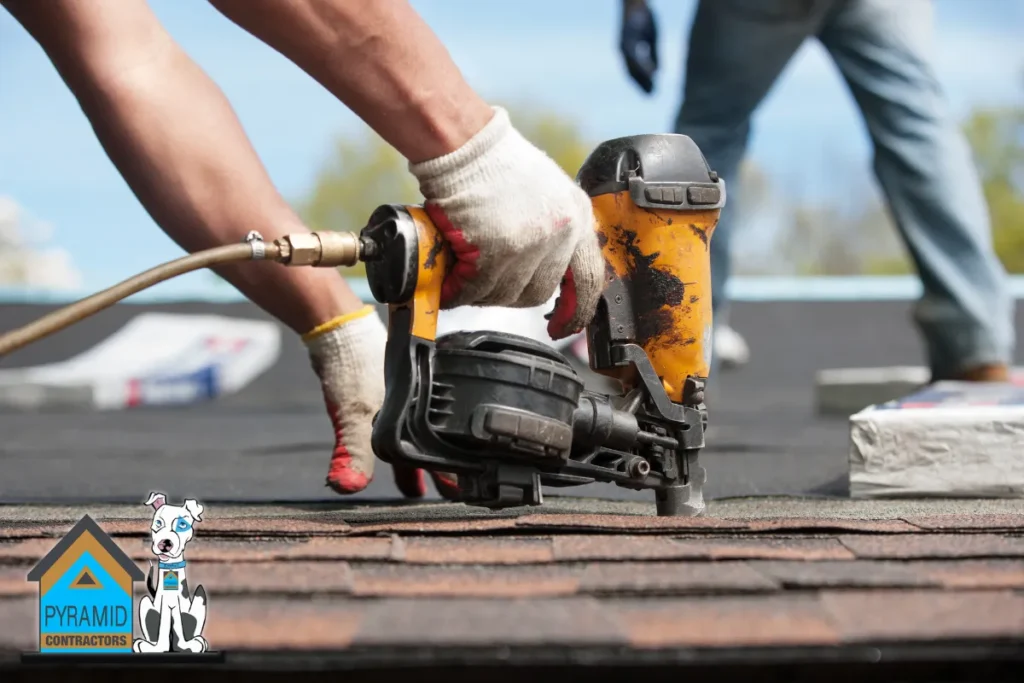
The following ranges represent typical professional residential repairs in the Omaha area for 2026, assuming standard asphalt shingle roofs. Final numbers depend on roof size, steepness, access, and whether structural decking or insulation is damaged.
| Repair Type | Typical 2026 Cost Range |
| Small shingle replacement (up to 50 sq. ft.) | $350–$750 |
| Leak tracing and pipe boot replacement | $400–$800 |
| Flashing repair around chimneys/vents | $450–$900 |
| Skylight resealing | $500–$1,000 |
| Vent repairs | $300–$600 |
| Fascia and soffit fixes | $600–$1,200 |
| Partial replacement (100–200 sq. ft.) | $900–$1,800 |
| Emergency tarping post-storm | $200–$500 initial |
| Emergency after-hours response | Add 20–40% surcharge |
These assume standard one-story access. Two-story homes or steep pitches (8/12 or greater) typically add 15–25% due to scaffolding and safety equipment requirements.
Cost Breakdowns by Roof Material (Asphalt, Metal, Tile, Flat)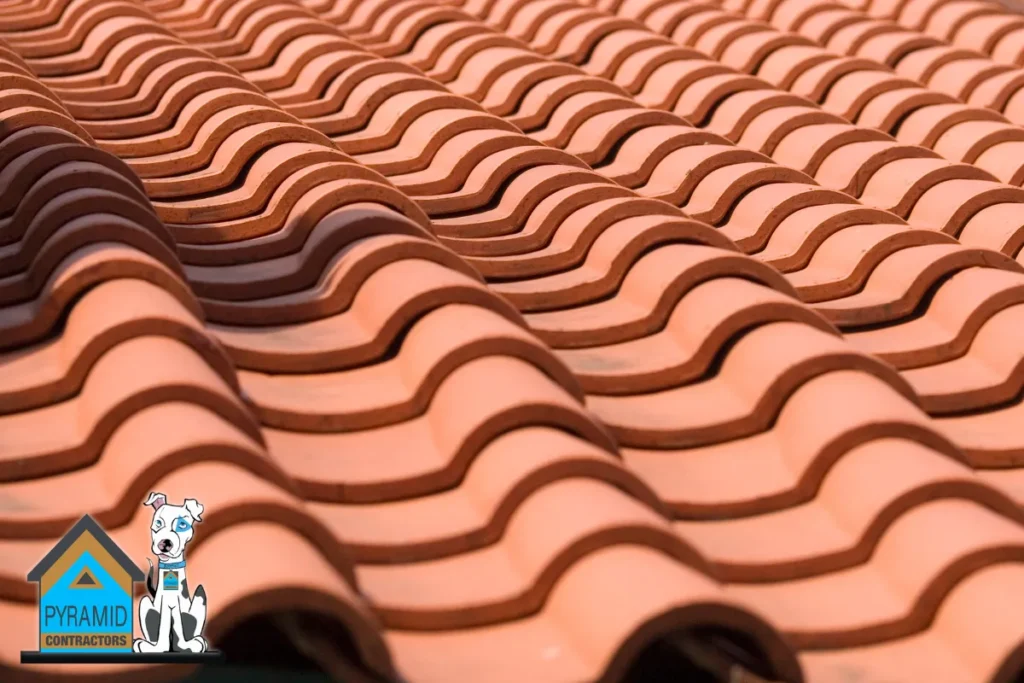
Your roofing material significantly affects repair pricing. Here’s what to expect in Omaha for 2026:
Asphalt Shingles (80–90% of local homes)
- 3-tab repairs: $350–$900 per job
- Architectural shingle repairs: $450–$1,200 per job
- Most affordable option with straightforward installation
Standing Seam Metal
- Repairs involving fasteners, sealant, or flashing: $600–$1,500
- Requires specialized tools and experience
- Lasts 2–3 times longer than asphalt in hail zones
Tile/Concrete
- Labor-intensive with breakage risk: $800–$2,500
- Custom color matching can extend timelines
- Higher material costs than asphalt alternatives
Flat/Low-Slope (TPO, Modified Bitumen)
- Membrane patches and seam work: $500–$1,800
- Accessibility and membrane type drive pricing
- Common on residential additions and commercial properties
A qualified roofing contractor can help you understand which material makes sense for your property and budget.
Main Factors That Drive Roof Repair Pricing in Omaha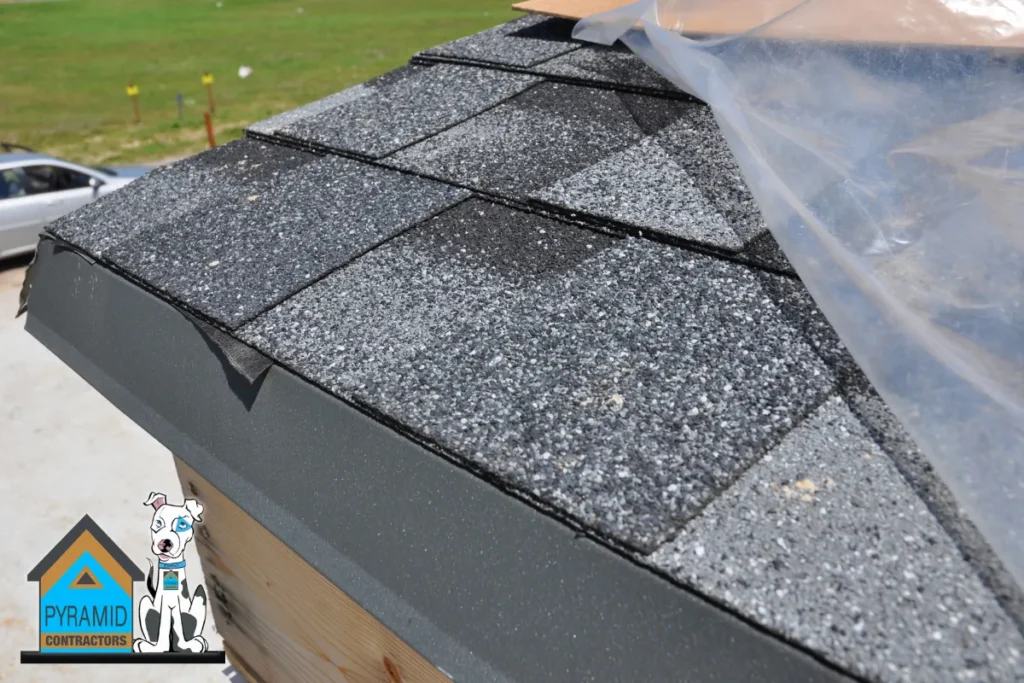
Two roofs with identical leaks can still have vastly different repair costs. Understanding what drives pricing helps you evaluate quotes accurately.
Primary cost drivers include:
- Roof size: Larger surfaces spread fixed costs but increase material volume (roughly +$100 per additional square)
- Pitch/steepness: Standard 4/12 pitch is baseline; 8/12+ requires safety gear and adds 20–30%
- Material type and quality: Impact-rated shingles cost 15–25% more but perform better in hail
- Water damage extent: Deck rot adds $500–$2,000 for plywood sheathing at $30–$50 per sheet
- Accessibility: Trees, height, multi-story structures add 10–40%
- Permits and inspections: Omaha requires permits for structural repairs over 100 sq. ft., adding $50–$200 plus inspection time
Hidden problems like mold, inadequate ventilation, or rafter damage discovered during work can inflate final bills 30–50% beyond initial estimates. Ask your contractor for both “best case” and “worst case” scenarios based on what might be uncovered once shingles are removed.
Labor, Materials, and Overhead in 2026 Roof Repair Quotes
Understanding how quotes are structured helps you compare bids fairly. A typical Omaha roofing repairs quote breaks down approximately as follows:
| Cost Component | Percentage of Total |
| Labor | 40–50% |
| Materials | 30–40% |
| Overhead (disposal, equipment, insurance) | 10–20% |
Many local roofers charge per “square” (100 sq. ft.) for material and labor, or use flat-rate pricing for standard tasks like pipe boot replacement. Per-square pricing for repairs typically runs $400–$700.
Reputable contractors carry liability insurance and workers’ compensation—these protection costs are built into the labor portion. Be cautious of unusually low bids, which may indicate uninsured crews, substandard materials, or shortcuts on safety and code compliance.
Written estimates should clearly separate material and labor costs, making comparison between bids straightforward.
Storm Damage Roof Repairs and Insurance in Omaha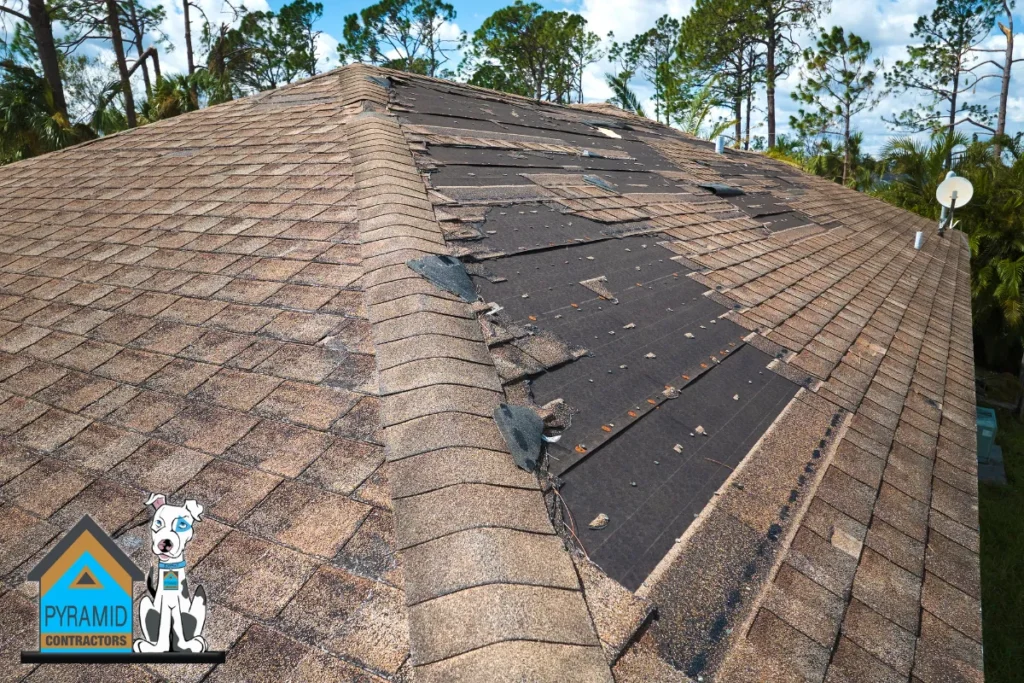
Hail, high winds, and driving rain from severe thunderstorms are the leading causes of sudden roof damage in eastern Nebraska. After major storms, thousands of homes need repairs—the 2024 storms alone affected 20,000+ Nebraska roofs according to insurance data.
Covered vs. not covered:
Most homeowners’ policies cover sudden perils like hail impacts, wind-blown shingles, and fallen tree limbs. They typically do not cover wear-and-tear, neglected maintenance, or gradual deterioration.
Standard claim process:
- Document damage with photos immediately after the storm
- Contact your insurer within 48 hours (Nebraska allows up to one year, but prompt filing improves outcomes)
- Schedule an inspection with a roofing contractor
- Coordinate the contractor-inspector joint visit with your adjuster (improves approval rates 20–30%)
- Review scope and pricing against industry standards
Having a local roofing contractor present during the adjuster’s visit ensures all damaged areas are properly identified and documented.
Average Out-of-Pocket Costs With and Without Insurance
Even when storm-related damage is approved, you’ll typically pay your policy deductible. In Omaha, deductibles commonly range from $1,000 to a percentage of dwelling coverage, averaging around $1,500.
Scenario comparisons:
- Minor repairs under $1,500: Usually paid fully out of pocket; avoids premium increases of 10–20%
- Major damage over $5,000: Insurer typically covers 80–90% after deductible
- Mid-range claims ($2,000–$5,000): Weigh repair of roof costs against potential premium impacts
Using insurance for small claims can affect your claim history. Many homeowners choose to pay cash for isolated, minor repairs to preserve their no-claim status. Always get a detailed professional opinion on whether damage likely meets insurance thresholds before filing.
Policy language varies, so confirm coverage specifics, exclusions, and deductibles directly with your insurer.
When a Roof Repair Is Enough vs. When You Need Replacement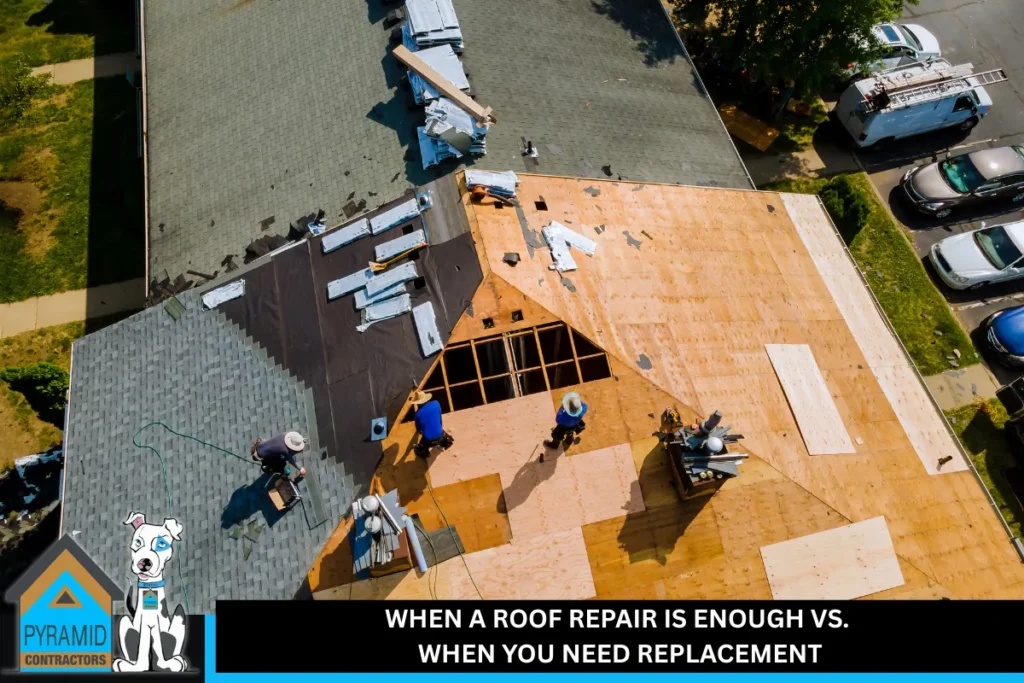
Homeowners often wonder whether they should repair roofs incrementally or invest in full replacement, especially once a roof passes 15–20 years of age.
Signs a focused repair makes sense:
- Isolated damage affecting less than 10% of the surface
- Overall roof age under 15 years
- No widespread granule loss visible
- Decking solid with no sagging
- Single leak source identified
Signs replacement may be more cost-effective:
- Frequent or recurring leaks
- Extensive curling or missing shingles
- Multiple existing shingle layers (maximum 2 allowed by code)
- Visible daylight through attic gaps
- Sagging deck areas
Schedule a detailed inspection and written report from a trusted roofing contractor to weigh short-term repair costs against long-term replacement savings. Some insurers limit coverage on significantly aged roofs, which can influence your decision.
Roof Lifespan Expectations in Omaha’s Weather
Understanding expected lifespans helps you plan for the future:
| Material Type | Expected Lifespan (Omaha) |
| 3-tab asphalt | 15–20 years (10–12 with severe hail) |
| Architectural asphalt | 20–30 years |
| Standing seam metal | 40–50 years |
| Tile/concrete | 30–50+ years |
Severe hail, high winds, poor attic ventilation, and neglected maintenance can shorten these lifespans significantly. Attic temperatures exceeding 130°F from inadequate ventilation can halve roof life.
Annual or biannual inspections catch 70–80% of issues early, according to the Asphalt Roofing Manufacturers Association. Older homes in Omaha’s historic neighborhoods may have layered roofing systems or original decking requiring special attention.
Factor age and condition into every repair discussion—not just immediate cost—to avoid paying repeatedly for temporary fixes on a failing system.
Read 5 Types of Roofing Repairs in Omaha, NE You Need to Know About
How Omaha Building Codes and Permits Affect Roof Repairs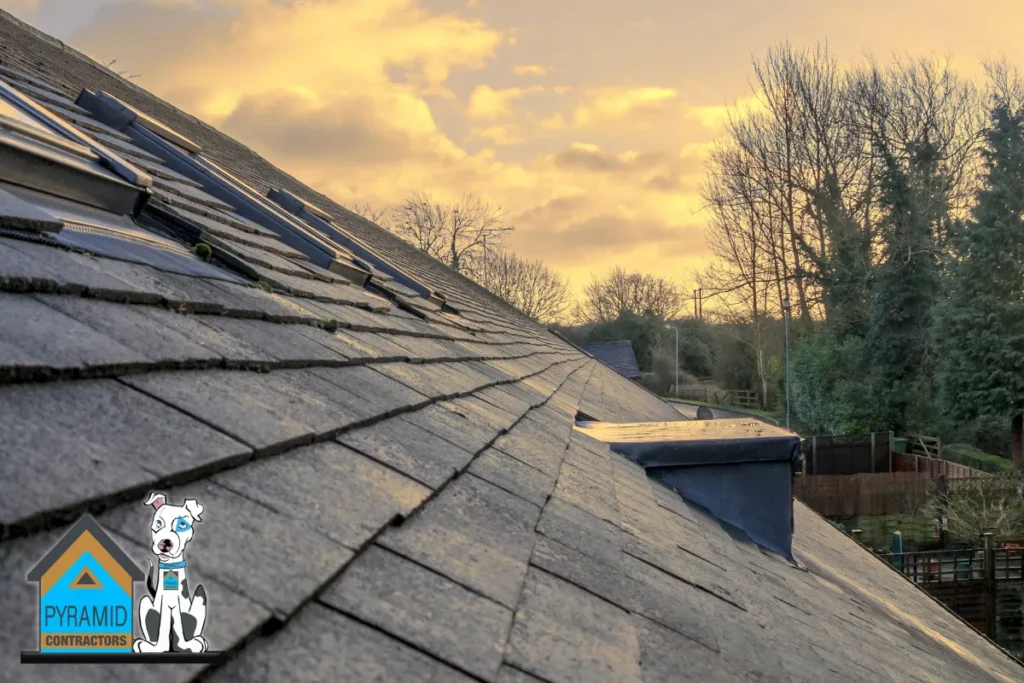
Roof work in Omaha must comply with Douglas County building codes, which align with the 2021 International Residential Code (IRC) standards adopted in 2023.
Permit requirements:
- Minor repairs (small patches, a few shingles, simple flashing fixes) may not require permits
- Larger repairs, structural work, or partial replacements affecting more than 100 sq. ft. typically require permits ($50–$200)
- Re-roofing that affects structure requires permit per Municipal Code 49-11
Code regulations include:
- Maximum of 2 shingle layers
- Ice-and-water shield required 6 feet from eaves and in valleys
- Class A fire-rating in urban zones
- Ventilation ratios of 1:150 net free area per IRC R806
- ASTM-rated underlayment requirements
Check with the Omaha Permits and Inspections division before starting significant work to avoid fines ($100–$1,000/day for violations) or required tear-offs.
Choosing Compliant Materials and Methods for 2026
Using up-to-date, code-compliant materials supports long-term durability and simplifies future sales or inspections.
Best practices:
- Use Class A fire-rated roofing where required or recommended by HOA
- Licensed contractors know when overlaying new shingles is acceptable versus when tear-off is needed
- Keep documentation of permits and passed inspections for resale and insurance purposes
- Use UL-rated flashing and ASTM-rated underlayment to maintain warranty coverage
Ask for written confirmation that all work will meet or exceed local building codes. This protects your property investment and ensures insurability.
Practical Tips to Lower Your Roof Repair Costs Without Cutting Corners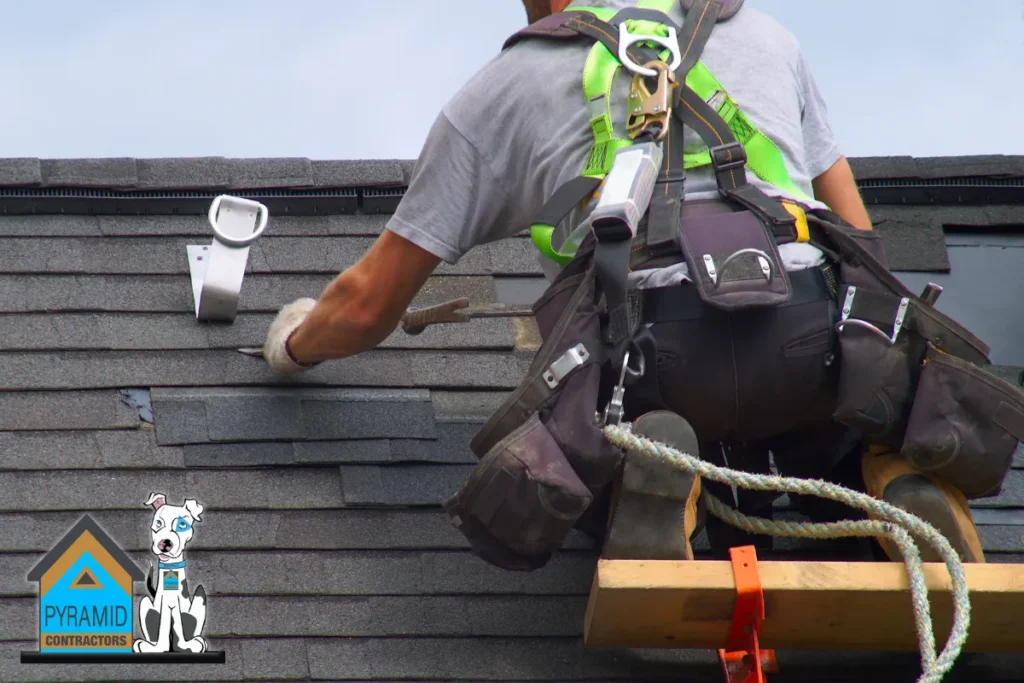
While roof repairs can be expensive, smart planning and maintenance keep costs manageable over your roof’s life.
Cost-saving strategies:
- Schedule biannual inspections ($140–$230) to catch issues early—prevents 50% of cost escalations
- Clear debris from gutters and valleys regularly (blocked gutters cause 40% of leak issues)
- Trim overhanging branches that can damage shingles during storms
- Address small leaks immediately (small repairs under $400 vs. rot remediation at $2,000+)
- Get 2–3 written estimates for significant repairs, prioritizing quality and reputation over lowest bid
- Ask about tiered options (good, better, best) with different material grades
- Bundle several small issues into one service visit to avoid multiple trip charges
Proactive maintenance extends roof life and reduces emergency repair costs significantly.
Financing Options and Paying for Roof Repairs
Beyond insurance, Omaha homeowners have several options for funding roof repairs depending on project size:
Common financing methods:
- Personal savings (ideal for smaller repairs)
- Home equity loans or lines of credit (HELOC rates typically 4–7%)
- Contractor financing programs (some offer 0% promotional periods for 6–12 months)
- Credit cards (use cautiously—APRs often exceed 20%)
Some roofing contractors offer in-house financing or lender partnerships. Compare interest rates and fees carefully before committing.
Critical advice: Avoid delaying critical leak repairs due to cost. Water intrusion quickly escalates into structural damage and mold remediation work costing $3,000–$10,000 or more.
Any financing arrangement or payment schedule should be documented in writing with clear milestones tied to work progress.
How to Choose the Right Roofing Contractor for Repairs in Omaha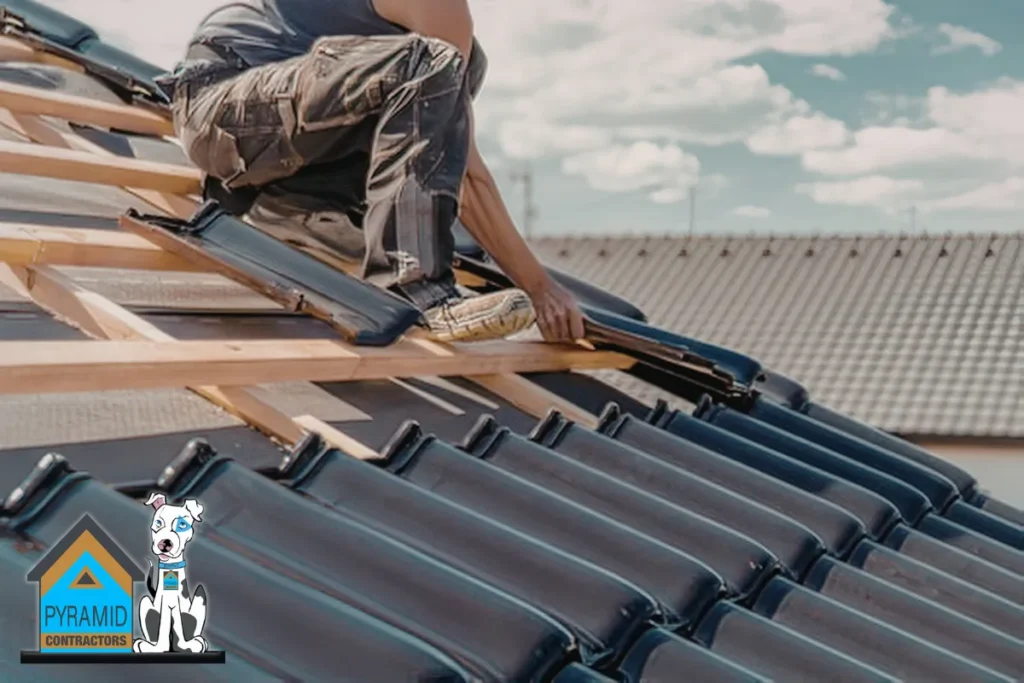
Who does the work often matters more than finding the cheapest price, especially for leak diagnosis and structural issues.
What to look for:
- Local physical presence in Omaha metro area
- Nebraska contractor registration (required for jobs over $5,000)
- Proper insurance ($1M+ liability and workers’ compensation)
- Verifiable references and 4.5+ star reviews
- Experience with your specific roof type
- Manufacturer certifications (GAF, Owens Corning, etc.)
Check online reviews, ask neighbors for referrals, and verify the contractor has experience handling hail and storm damage repairs common to our area.
Before signing:
- Request a clear written scope of work
- Confirm timeline and realistic completion estimates
- Understand warranty details (5–15 years labor/materials typical)
- Clarify cleanup responsibilities
Be cautious of out-of-town storm chasers who appear immediately after major hailstorms. They often leave once initial work is complete, making warranty claims difficult.
Questions to Ask Before You Approve a Roof Repair Quote
Use these questions to better understand what you’re buying:
- “What specifically is causing the leak?”
- “What exactly will you replace or repair?”
- “How long will this solution realistically last?”
- “Will any existing materials (decking, underlayment, flashing) be reused? Why?”
- “How will you protect my landscaping, driveway, and neighboring properties from debris?”
- “Are the workers your employees or subcontractors? Who supervises quality?”
- “What warranty covers this work, and what does it include?”
A reputable roofing contractor welcomes these questions and provides clear, confident answers.
Frequently Asked Questions
1) Best time of year for roof repairs in Omaha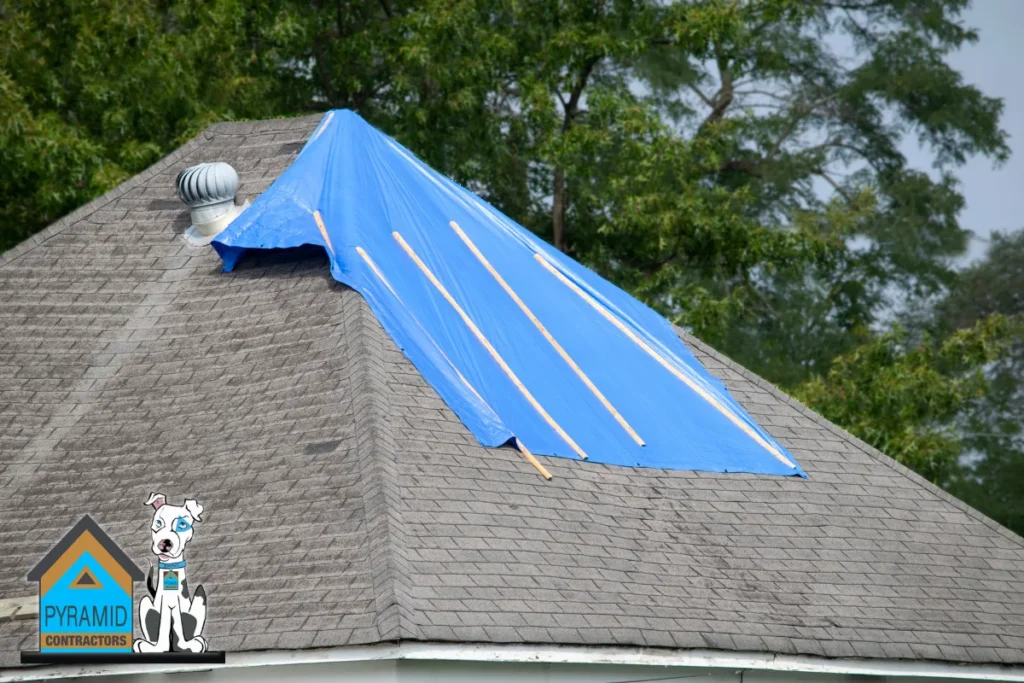
In Omaha, late spring through early fall (May–October) is typically the best window. During this period, temperatures are moderate, shingles seal properly, and weather delays are less likely. Winter repairs are possible but can be limited by freezing temperatures and snow.
Before scheduling, note that Nebraska’s changing weather patterns can affect timelines, so flexibility helps. If you see urgent issues—like leaks or storm damage—don’t wait for the “perfect” season.
Indicators of roofing problems include water stains on ceilings, sagging roofline, growth of moss or algae, and high energy bills due to compromised insulation.
Also, a significant amount of asphalt granules in gutters indicates that shingles are losing their protective coating.
2) How long a typical roof repair takes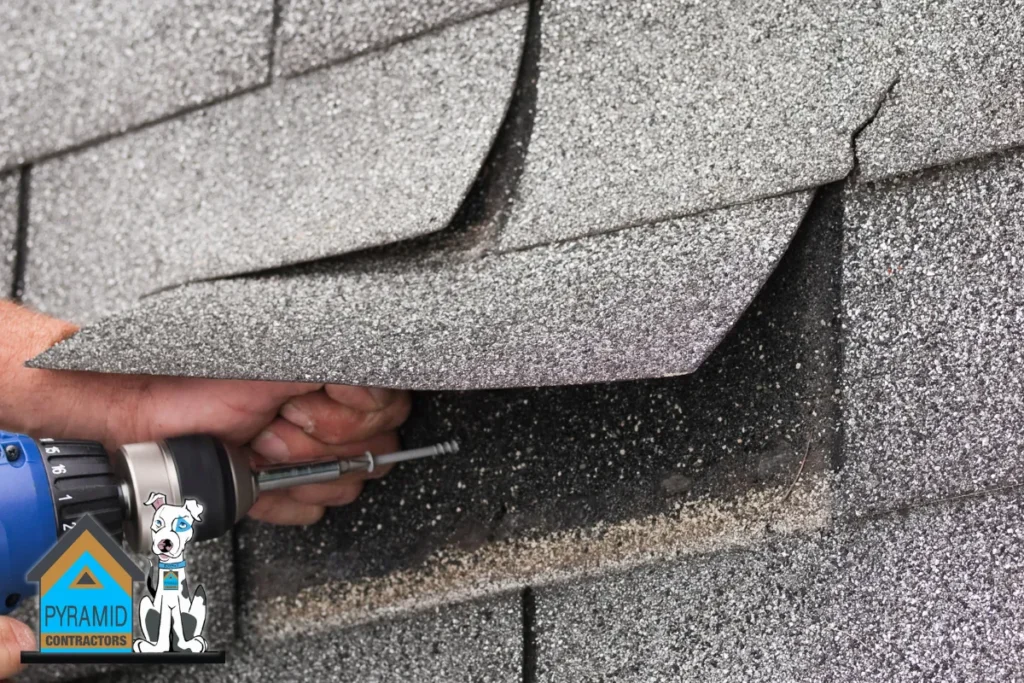
Most standard repairs in Omaha take a few hours to 1–3 days, depending on the scope. Larger jobs tied to remodeling or renovations may take longer.
Common roof repair services include re-roofing and repairs for pipe collars and valleys.
Weather, material availability, and inspection requirements within the state can affect duration. A good contractor will give you a realistic timeline upfront and keep you informed throughout.
3) Do you need to be home during repairs?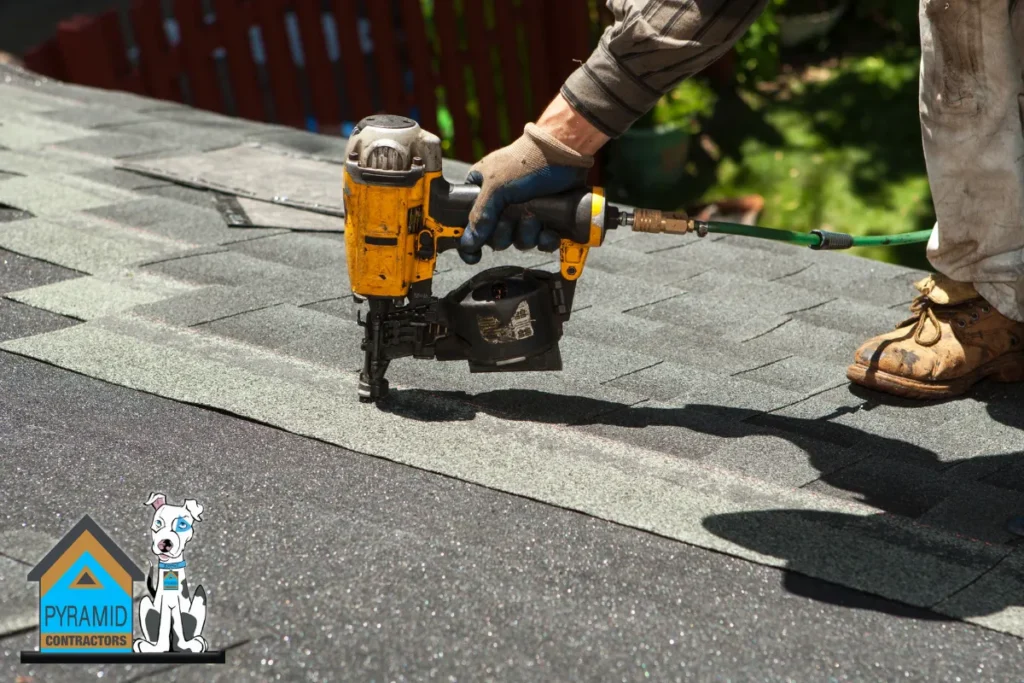
No, you usually don’t need to be home while the crew works. Many individuals choose to leave due to noise and vibrations.
However, you should:
- Be available by phone
- Ensure access to your driveway or yard
- Secure pets and valuables
Professional crews respect property boundaries and follow local safety codes.
4) How to prepare your property before repairs
Proper prep helps the project go smoothly:
- Move vehicles away from the work zone
- Cover items in the attic (dust may fall)
- Trim tree branches near the roof
- Inform neighbors about the upcoming work
Contractors who prioritize core values like safety and communication will often provide a prep checklist in advance.
If you’re planning broader home upgrades, you might also explore financing options. For example:
- The Department of Housing and Urban Development (HUD) offers various loan and assistance programs for home repairs and improvements, with eligibility requirements that vary by program.
- The 203(k) rehabilitation mortgage insurance program allows homebuyers and owners to finance up to $35,000 into their mortgage for home repairs or improvements.
- Homeowners over age 62 may qualify for the Home Equity Conversion Mortgage (HECM) program, which allows them to withdraw equity from their home for maintenance, repairs, or living expenses.
These programs can help you apply for funding if your project goes beyond simple repairs.
5) How to tell if the repair was done correctly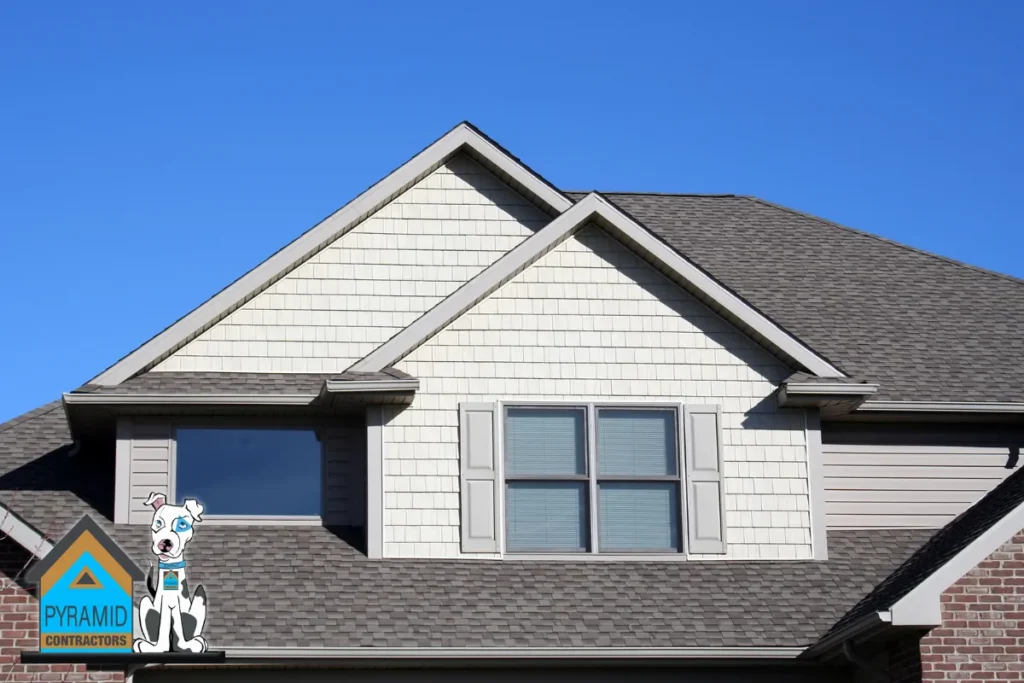
After the crew finishes, check for:
- Even, properly aligned shingles
- No exposed nails or gaps
- Clean gutters and yard (no leftover debris)
- Proper sealing around vents and flashing
A trustworthy contractor will also provide documentation.
A reliable roofing job should come with a manufacturer warranty covering defects in the roofing materials and a workmanship warranty provided by the contractor for installation errors.
Additionally, reliable roofing contractors should provide manufacturer certifications and positive reviews on sites like Google or the Better Business Bureau (BBB).
Make sure your contractor is properly located within your service area and follows Omaha permit and inspection requirements. Ask for written information about warranties, materials used, and final inspection results.
Final takeaway
Roof repairs in Omaha are most efficient in warmer months, usually quick to complete, and don’t require you to stay home—but preparation and verification are key. Choosing a contractor with strong core values, clear communication, and proper credentials ensures your roof repair is done right the first time.
Important Note: The cost ranges, code references, and information in this guide are general estimates for Omaha, NE—not individualized legal, insurance, or financial advice. Actual quotes must come from licensed professionals familiar with your specific property, current prices, and local regulations. Verify requirements with Omaha Permits and Inspections and consult your insurance carrier regarding coverage and claims.
Call a Roofing Contractor in Omaha, NE – Pyramid Contractors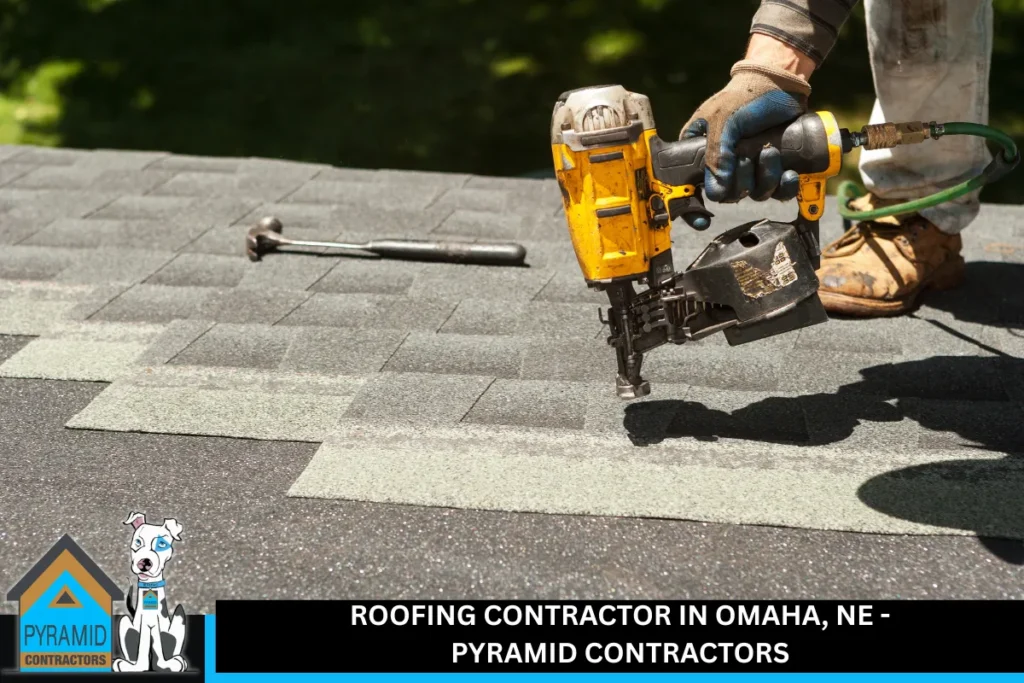
When your home needs roof repairs, we understand you want the job done right the first time. At Pyramid Contractors, we provide expert roofing repairs throughout Omaha, Nebraska and the prominent surrounding areas, handling everything from small leak fixes to complete storm restoration projects.
Our experienced team inspects, diagnoses, and explains repair of roof options clearly, offering honest recommendations that fit the age and condition of your specific roof. We’re familiar with Omaha building codes and weather patterns, which means we know exactly what it takes to protect your property for the long term.
Whether you’re dealing with hail damage, missing shingles, or flashing failures, we’re here to help. Call us at (402) 502-9300 or fill out our online contact form to schedule an inspection and receive a detailed, written estimate. We also assist with insurance-related questions to make the claims process smoother.
Trust Pyramid Contractors—your local roofing company committed to quality workmanship and customer satisfaction.