Why Roofing Repairs Matter
Roofing repairs are something every Omaha homeowner will face eventually, especially given our region’s punishing weather patterns. Missing shingles after a spring hailstorm, a slow leak staining your ceiling, or ice dams forming along your eaves during winter—these problems don’t fix themselves. Left unaddressed, even minor roof damage leads to water intrusion, mold growth, and energy bills that climb higher each month. The good news? Understanding the most common types of roof repairs helps you catch issues early and make smarter decisions about your property. This article covers five core repair categories that affect homes across Omaha and Douglas County, along with practical guidance on costs, timelines, and how to find a local professional who can handle the job right.
Key Takeaways
- Roofing repairs in Omaha commonly involve shingle damage, flashing failures, storm and hail damage, ventilation issues, and emergency leak detection
- Omaha’s hail season, high winds, heavy snow loads, and freeze-thaw cycles are primary drivers of local roof damage
- Spotting problems early and calling a qualified roofing contractor can dramatically reduce total repair costs
- Professional inspections and routine maintenance can extend your roof’s life by 5–10 years or more
- Understanding when to repair roofs versus replace them entirely saves homeowners money and prevents recurring issues
How Omaha’s Weather Shapes the Roofing Repairs You’ll Need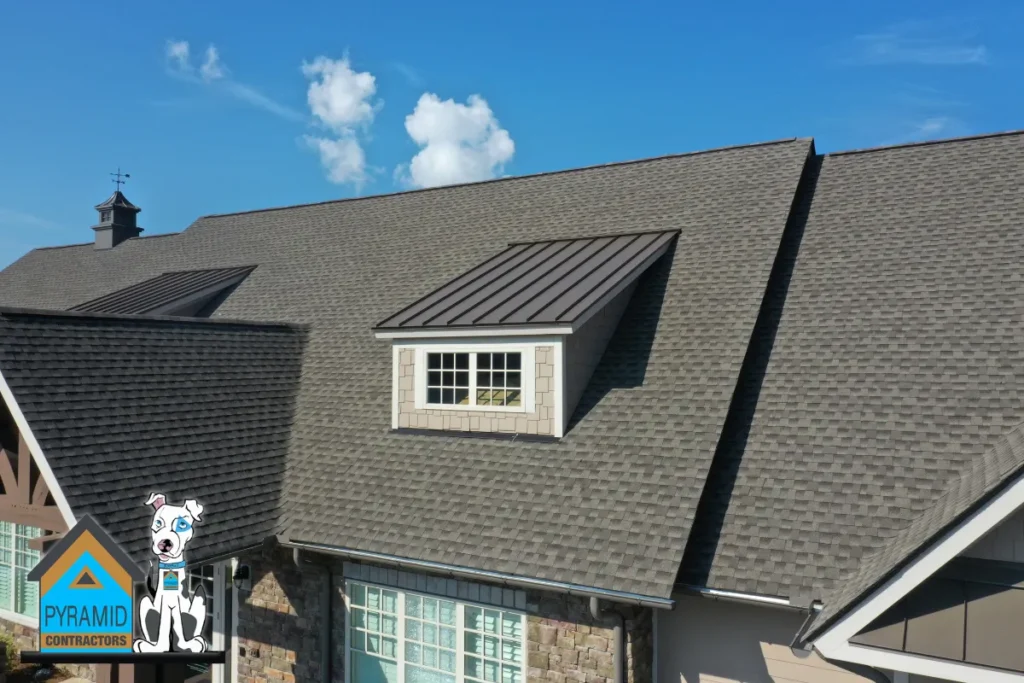
Omaha’s four-season climate puts asphalt shingle roofs through constant stress. From severe spring thunderstorms to winter snow loads, your roof absorbs punishment that accelerates material breakdown and creates vulnerable points where water can enter your house.
Spring brings hail season from April through June, when storms can bruise shingles and crush protective granules. Summer windstorms lift tabs and displace ridge caps. Winter introduces ice dams that form when snow melts on warmer roof sections, then refreezes at colder eaves, backing water up under shingles.
Local building codes in Omaha and Douglas County also affect how homeowners can address damage. Permits may be required for structural work, and code-compliant installation methods are mandatory for replacements.
Common weather-related symptoms to watch for:
- Ceiling stains appearing after heavy rain
- Granules accumulating in gutters
- Loose or lifted flashing around chimneys
- Soft spots in roof decking when walking on the surface
- Cracked or missing shingles visible from ground level
Many insurance carriers and roofing professionals recommend scheduling inspections after hail events or winds exceeding 50 mph. This proactive approach helps homeowners identify damage before it spreads.
1. Shingle Replacement and Surface Roof Repairs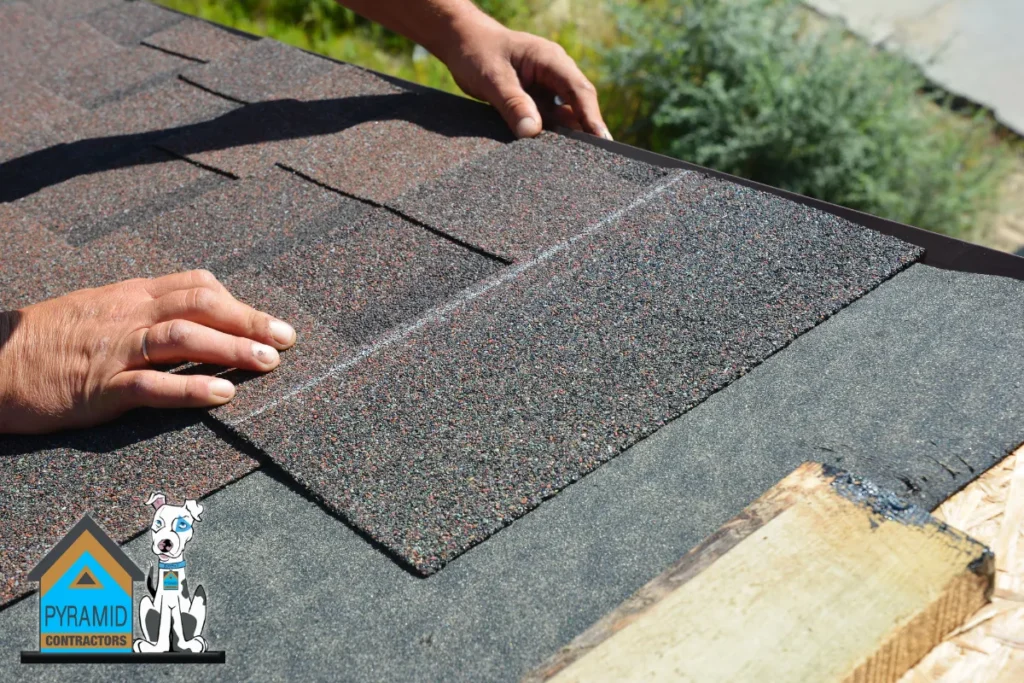
Asphalt shingles remain the most common residential roofing material in Omaha, making shingle damage the single most frequent repair category. Missing, curling, or cracked shingles create weak spots that allow moisture to reach the underlayment and decking beneath.
When Isolated Shingle Replacement Works
Spot repairs are appropriate when damage affects less than about 25% of the total roof area, granule loss isn’t widespread, and the underlying decking remains solid. These targeted fixes can extend your roof’s service life without the expense of a full replacement.
Common Causes of Shingle Damage
- Hail strikes leaving circular bruises and crushed granules
- High winds lifting tab edges or tearing shingles loose entirely
- UV exposure causing brittleness over time
- Improper prior installation, including high nailing or misplaced fasteners
Visual signs include color mismatches between older and newer sections, exposed nail heads, bald spots where granules have worn away, and edges lifting on south- and west-facing slopes where sun exposure is greatest.
Cost Expectations
In 2025, shingle repairs in Omaha typically range from $300 to $600 for minor fixes involving a few shingles, up to $1,500 to $3,000 for more extensive surface work measured per roofing square (100 square feet). Steep pitches and difficult access points increase labor costs.
A reputable roofing contractor will match shingle type, thickness, and color as closely as possible to preserve your home’s appearance and maintain any applicable manufacturer warranty coverage. Homeowners should avoid attempting DIY repairs on steep or two-story roofs due to fall risks and the potential to void warranties or cause additional damage.
2. Leak Detection, Flashing Repairs, and Chimney Work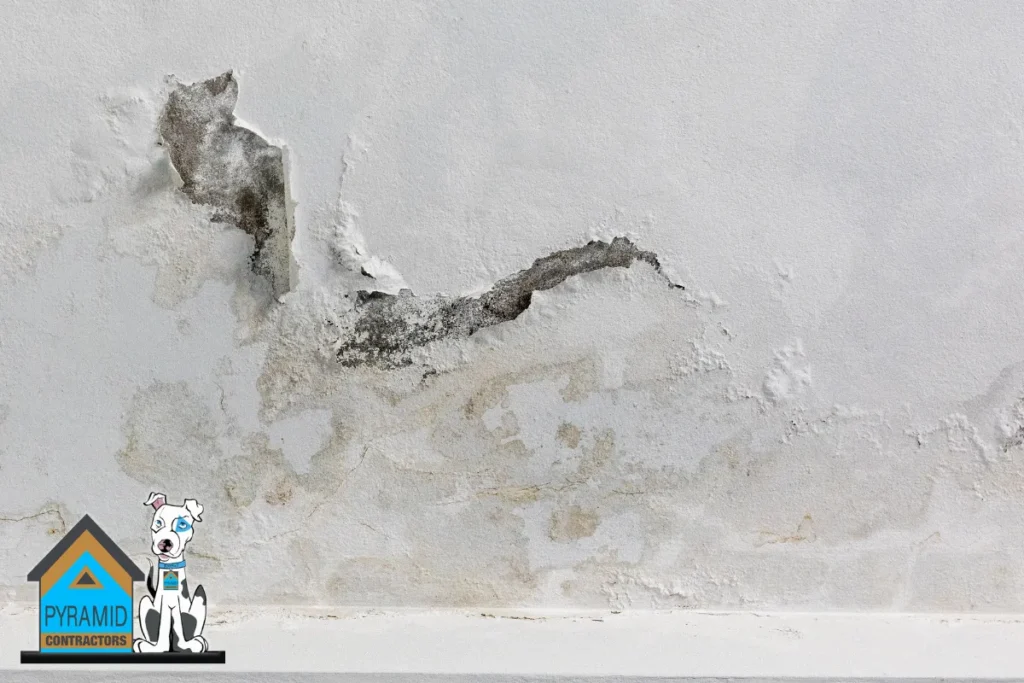
Many roof leaks in Omaha homes don’t originate with the shingles themselves. Instead, they start at penetrations—places where chimneys, skylights, plumbing vents, and wall transitions create natural weak points in the roofing system.
What Is Flashing?
Flashing consists of metal or membrane pieces installed at joints to prevent water intrusion. When flashing fails, water finds a path into your home even if every shingle remains intact.
Common flashing failures include:
- Rusted step flashing along sidewalls
- Loose counterflashing at brick chimneys
- Cracked sealant around vent pipe boots
- Improperly lapped pieces that allow water to run behind instead of over
Professional Leak Detection
Finding the source of a leak requires more than spotting a ceiling stain. Water can travel along framing members, appearing feet away from the actual entry point. Professionals inspect attics for water trails, use moisture meters to find hidden dampness, check roof planes above visible damage, and sometimes use controlled hose water testing to pinpoint the exact location.
Typical Flashing Repairs
- Replacing step flashing along sidewall junctions
- Resealing chimney caps and counterflashing
- Installing new boot flashings on vent pipes
- Adding kick-out flashing where roofs meet siding
Minor flashing repairs might cost $200 to $500, while complex chimney work can range from $1,000 to $3,000 or more depending on the extent of deterioration. Small jobs may take just 1–2 hours, while full chimney rebuilds require a full day or longer.
Ignoring flashing issues leads to mold growth, insulation damage, and rot in the sheathing—all of which dramatically increase later repair costs.
Read How to Manage the Repair of Roof Shingles in Omaha, NE (5 Easy Steps)
3. Storm, Wind, and Hail Damage Roofing Repairs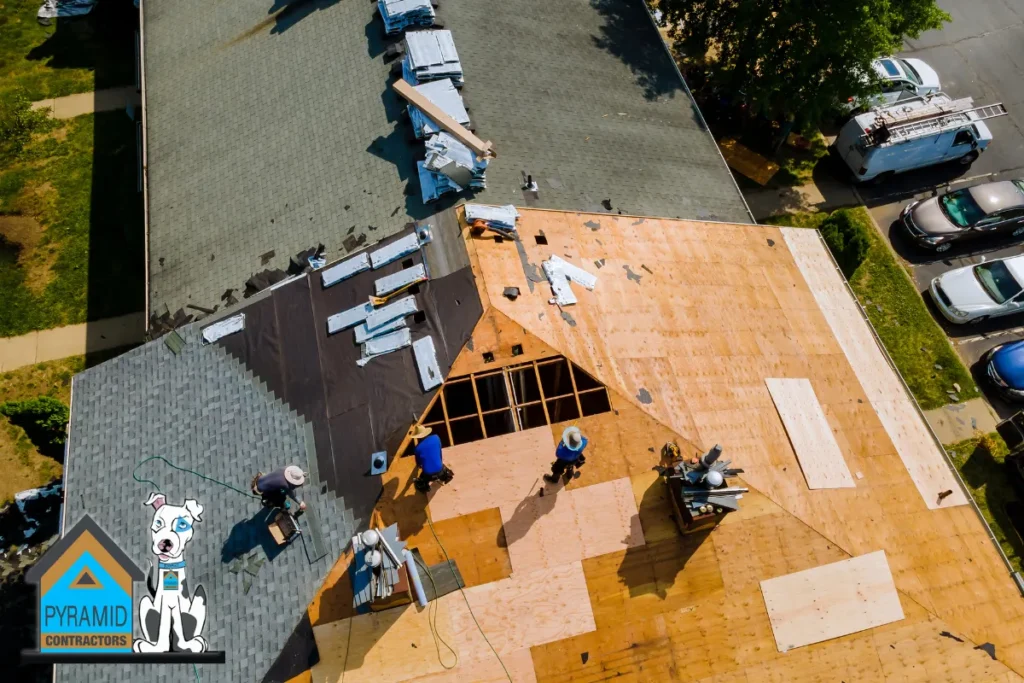
Omaha and surrounding Nebraska communities routinely experience severe thunderstorms and hail from April through September. This weather drives a high volume of insurance-related roof repairs each year, making storm damage one of the most common reasons homeowners contact contractors.
Recognizing Hail Damage
- Bruised shingles with soft spots
- Crushed granules creating dark circular marks
- Dented metal vents and exposed fasteners
- Cracked siding or gutters indicating impact intensity
Wind Damage Symptoms
- Creased shingle tabs from uplift stress
- Entire sections blown off or folded over
- Lifted ridge caps exposing underlayment
- Displaced ridge vents allowing water intrusion
The Post-Storm Process
- Conduct a safety check before inspecting your property
- Document visible damage with photographs from multiple angles
- Contact your insurance company to report the event
- Schedule an inspection with a local roofing contractor
- Avoid signing same-day contracts with out-of-town storm chasers
Temporary tarping can protect against active leaks while you wait for a full assessment. Sometimes a roof can be spot-repaired after hail, but widespread bruising across multiple slopes often justifies full replacement under many insurance policies.
Reputable roofers in Omaha should be licensed, insured, and familiar with local code requirements for underlayment and ice barriers. They should provide written estimates and never pressure homeowners into immediate decisions. Storm damage documentation that satisfies insurance adjusters requires attention to detail and experience with the claims process.
4. Ventilation, Ice Dams, and Attic-Related Roof Repairs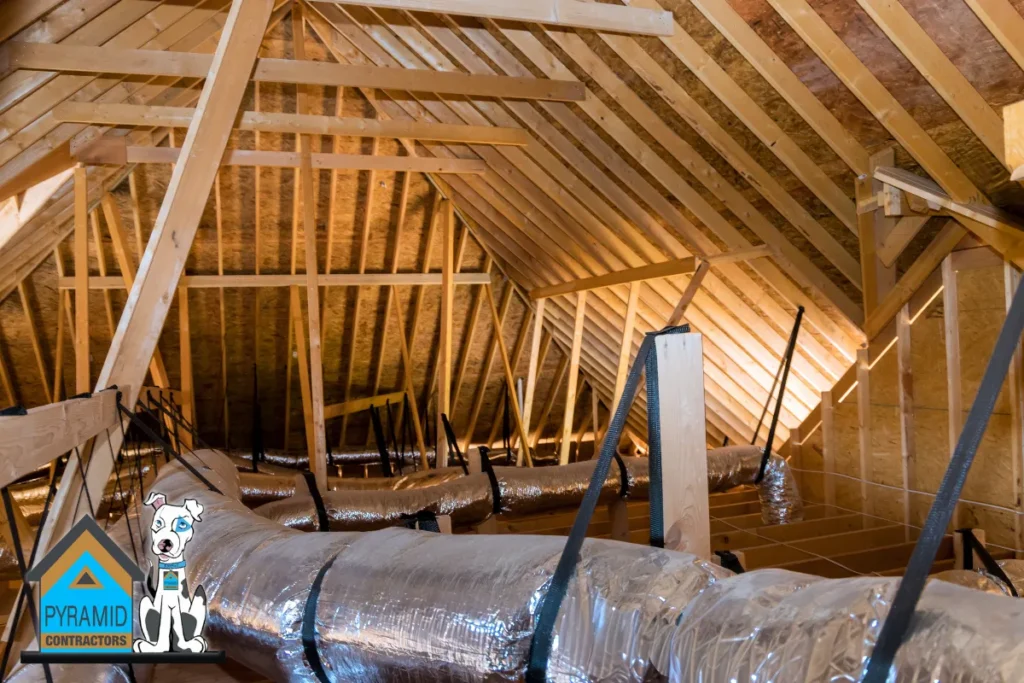
Improper attic ventilation is a hidden cause of many roofing repairs in cold-winter climates like Omaha. When your attic traps heat and moisture, shingles age prematurely, and winter brings ice dams that cause significant water damage.
What Balanced Ventilation Means
A properly ventilated roof system has intake vents at the soffits and exhaust vents at the ridge or roof peak. This allows cool air to enter low, push warm air out high, and maintain consistent temperatures across the roof surface.
Problems occur when soffits are blocked by insulation, vents are undersized, or bathroom fans exhaust directly into the attic instead of outside.
Understanding Ice Dams
Ice dams form when heat escaping through inadequate insulation melts snow on upper roof sections. That meltwater runs down to the colder eaves, refreezes, and creates a dam that backs water up under shingles. North-facing eaves and areas above poorly insulated spaces are particularly susceptible.
Common Ventilation Repairs
- Adding or replacing ridge vents for better exhaust
- Installing baffles to keep insulation from blocking soffits
- Replacing damaged box vents or powered ventilators
- Rerouting bathroom and kitchen fan exhausts to the exterior
Upgrading ventilation may cost between $300 and $1,500 depending on scope, but energy savings and extended shingle life can offset this investment over time. Scheduling attic and ventilation checks every few years—especially after harsh winters—helps homeowners protect their future roof performance.
5. Structural and Decking Repairs When Roof Damage Goes Deeper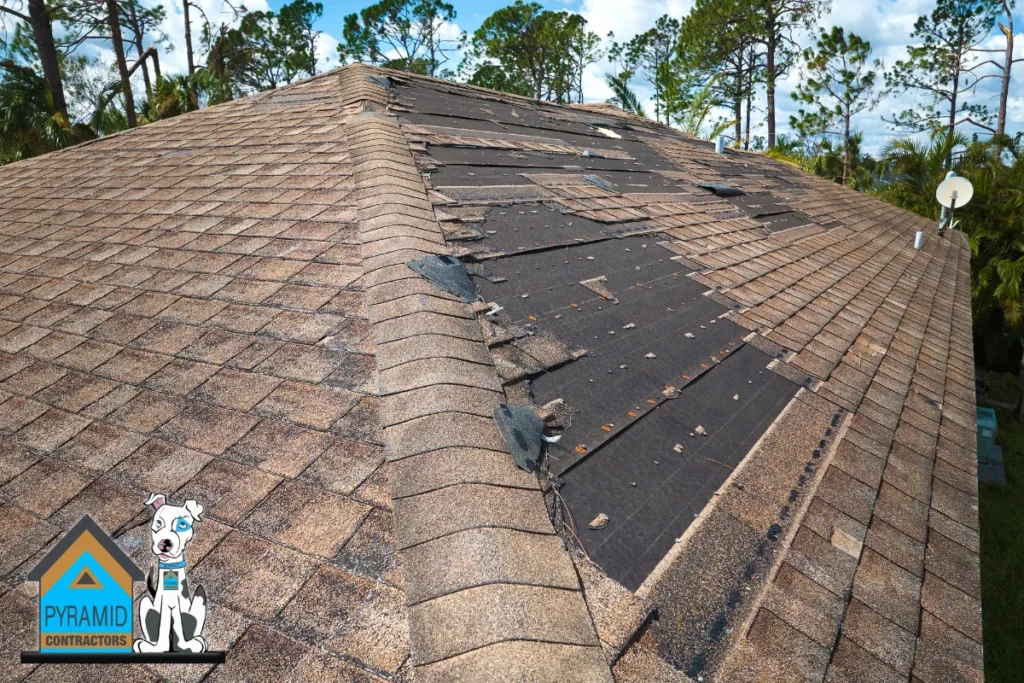
This is the most serious category of home repairs, occurring when leaks have persisted long enough to rot wood decking, rafters, or trusses beneath the shingles.
Warning Signs of Structural Damage
- Sagging roof lines visible from the street
- Spongy or soft feel when walking on the roof
- Dark, moldy plywood visible in the attic
- Long-standing ceiling discoloration that has spread over time
What Structural Repairs Involve
Addressing structural damage typically requires removing shingles, replacing sections of sheathing, sistering damaged rafters, or reinforcing trusses. When damage is extensive, engineering guidance may be required to ensure the repair meets safety standards.
City or county permits are often necessary for structural work in Omaha. Code-compliant nailing patterns and sheathing thickness must be verified before new roofing material can be installed.
Cost Considerations
Replacing a small section of decking might add $500 to $1,500 to a repair bill, while extensive structural work can reach several thousand dollars. Labor, dumpster fees, and permit costs contribute significantly to the total.
Treat soft spots and sagging as urgent safety issues—not cosmetic concerns. Heavy snow loads during Nebraska winters can stress weakened structures to the point of collapse. Prompt attention from qualified professionals protects both your property and your family.
How to Decide: Repair Roofs or Replace Them Entirely?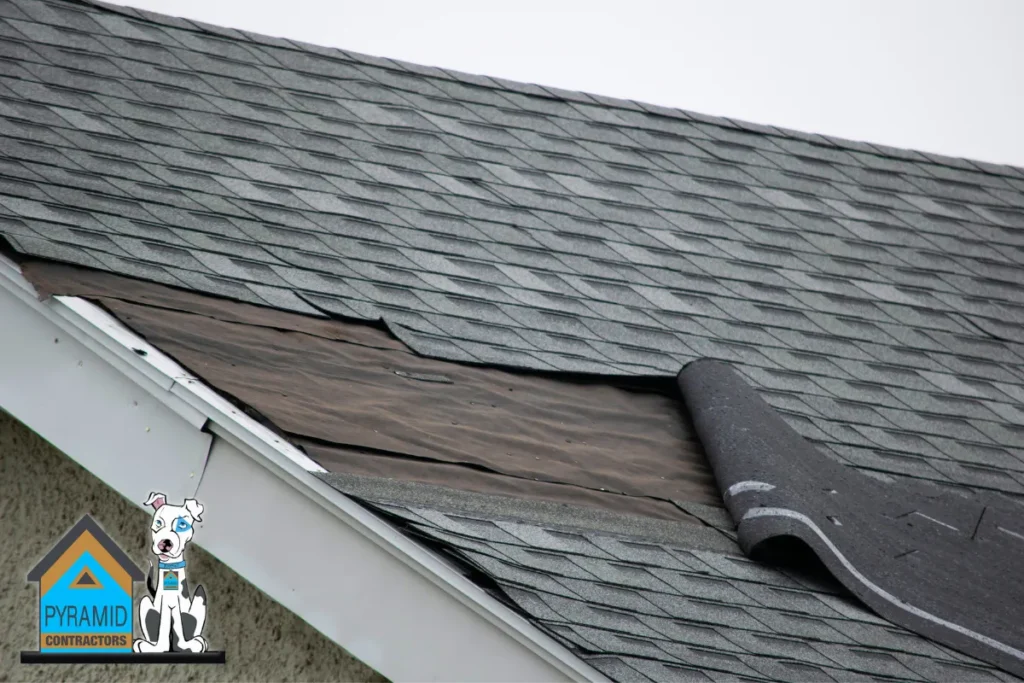
One of the toughest calls for Omaha homeowners is whether to continue investing in repairs or move forward with a full roof replacement. Making the right decision depends on several factors.
Key Decision Criteria
| Factor | Favor Repair | Favor Replacement |
| Roof Age | Under 15 years | 18–25+ years |
| Damage Area | Less than 25% | Widespread |
| Prior Repairs | Few or none | Multiple in recent years |
| Granule Loss | Localized | Across most slopes |
| Decking Condition | Solid | Soft spots or rot present |
Repeated patchwork on an older roof can cost more over a 5–10 year period than installing a new roof with modern materials and full warranty coverage. Insurance settlements after major hail or wind events sometimes make replacement more affordable than anticipated.
Request written estimates for both repair and replacement options from a trusted roofing contractor. Ask about material choices like architectural shingles or impact-resistant products that may qualify for insurance discounts or offer better durability for Omaha’s climate.
Costs, Timelines, and What to Expect from a Roofing Contractor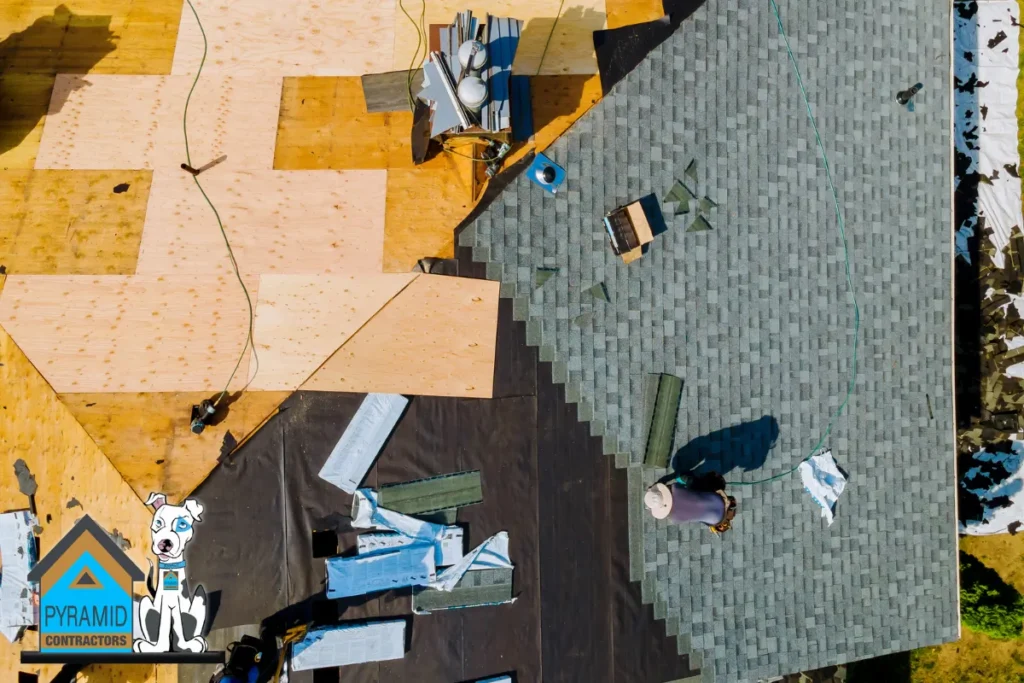
Roof repairs in Omaha range widely depending on the scope of work required. Minor fixes might cost a few hundred dollars, while major storm or structural repairs can reach several thousand.
Primary Cost Drivers
- Roof size measured in squares (100 sq. ft. units)
- Pitch and accessibility challenges
- Material type (asphalt, metal, cedar, tile)
- Extent of damage to decking or interior
- Local labor rates and permit fees
Typical Timelines
- Emergency tarping and leak stops: Same day
- Minor shingle or flashing repairs: 1–2 days
- Major repairs with decking replacement: 3–5 days or more
Weather delays are always possible in Nebraska, particularly during spring storm season.
What a Professional Estimate Should Include
- Detailed description of work to be completed
- Materials list with brands and specifications
- Warranty terms for labor and products
- Cleanup and debris removal details
- Payment schedule and deposit requirements
- Proof of insurance and licensing
Questions to ask before hiring:
- How much experience do you have with insurance claims?
- Can you provide local references from recent jobs?
- Who supervises the crew on site?
- How do you protect landscaping and driveways during the job?
Avoid cash-only deals, verbal-only agreements, and contractors who cannot provide proof of insurance. Written contracts protect both parties and establish clear expectations for the work ahead.
Additional Cost & Hiring Insights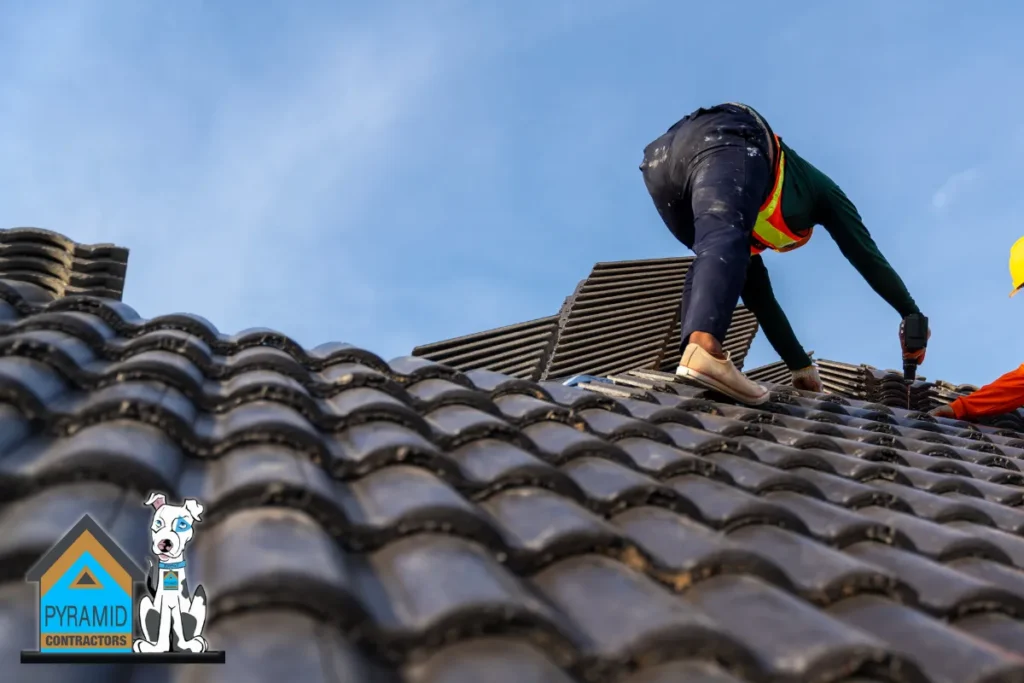
If repairs lead to replacement, it helps to understand pricing:
- The average cost to replace a typical 1,700 square foot asphalt shingle roof ranges from $6,000 to $9,000, with roofing companies charging between $3.50 to $6.00 per square foot for asphalt roof replacements.
- The cost of removing and disposing of existing roofing material can range from $0.40 to $2.00 per square foot, with total costs for roofing removal averaging between $665 to $3,343.
- Roof replacement costs can vary significantly based on location, as different areas may have specific requirements for permits, materials, or installation methods that can affect pricing.
There are plenty of factors that influence cost, including material choice:
- Metal roofing is considered a premium roofing product because of its long lifespan, but it can take up to three times longer to install than asphalt shingles, which increases installation costs.
- Slate tile roofs are the longest-lasting roofing material available, with a lifespan of up to 150 years, but they are also among the most expensive options for roofing materials.
Choosing the Right Contractor
Hiring the right professional is critical:
- A roofing contractor should hold a valid state or local license and carry general liability and workers’ compensation insurance.
- A reliable contractor should have a physical local address and positive online reviews.
- Contractors should not request full payment upfront; a standard practice is to pay a small deposit with the remainder upon completion.
- When hiring a roofing contractor, it is advisable to obtain multiple quotes to ensure competitive pricing and quality service.
- Roofing contractors may be certified by manufacturers, which can provide homeowners with additional peace of mind regarding the quality of materials and workmanship.
Also, be cautious: Be cautious of out-of-town contractors who may offer low prices after storms and disappear once paid, often referred to as ‘storm chasers’.
Local businesses often provide more reliable, ongoing support and accountability.
Final Thoughts
Roof repairs are not just about fixing problems—they’re an opportunity to improve your home’s durability and value. Whether you’re considering minor fixes or full renovations, staying proactive helps avoid unnecessary costs.
Some homeowners explore financing options like loans or funds to manage larger projects, and in certain cases, assistance programs may exist nationwide or at the state level—you can apply if you meet the eligibility criteria.
With the right contractor and approach, maintaining your roof can be a fantastic experience—not a burden. Many individuals are pleasantly impressed by how smooth the process can be when handled correctly, and it’s always a pleasure to see your home protected for years to come.
If you want, I can help you estimate repair costs or walk you through what to expect based on your specific roof type.
Frequently Asked Questions
1. How long will my roof last after a professional repair?
A professionally repaired roof can last anywhere from 5 to 15 years or more, depending on the extent of the repair, materials used, and overall roof condition. In many cases, targeted repairs can significantly improve the remaining lifespan without requiring full replacement.
Keep in mind that asphalt shingles are the most common roofing material in the U.S. due to their durability and affordability, making them popular among homeowners. However, longevity also depends on upkeep. Maintaining a clean roof by removing debris, leaves, and moss can prevent water damage and prolong the life of roofing materials.
If your roof is older, repairs may only provide temporary support, and a replacement might eventually be necessary.
2. How often should I schedule roof inspections in Omaha, NE?
In a climate like Omaha’s—where roofs are subject to snow, ice, wind, and storms—you should schedule inspections:
- At least once per year
- After major storms or hail events
Regular roof inspections are essential to identify potential issues early, such as leaks or damage, which can help extend the lifespan of the roof.
Many homeowners select annual inspections as part of a maintenance program, especially those in neighborhoods with strict property standards or HOA oversight.
3. Can I delay fixing a small roof leak if it only shows up during heavy rain?
Short answer: No—you shouldn’t delay it.
Even minor leaks can quickly escalate. Addressing minor repairs promptly, such as replacing missing shingles or fixing leaks, can prevent more extensive damage and costly repairs in the future.
A leak that only appears during heavy rain is still a warning sign. Over time, it can lead to mold, insulation damage, and structural issues. You might not notice the full extent of damage until it becomes a much bigger—and more expensive—problem.
4. What should I know about roofing repairs if I live in an HOA community?
If your home is located in an HOA-managed area, there are additional rules to follow:
- You may need approval before repairs or remodeling
- Material choices, colors, and contractor selection could be restricted
- Some HOAs require contractors to meet specific eligibility standards
A detailed written agreement is essential when hiring a roofing contractor, outlining timeline, costs, and warranty information. Also, it is important to choose contractors who handle the permit process for roofing repairs themselves rather than asking the homeowner to do it.
Working with experienced contractors who regularly deal with HOA guidelines can make the process far less of a hassle.
5. Do roofing repairs cost more during winter in Omaha?
Yes—winter repairs often cost more due to:
- Slower installation times
- Safety risks for workers
- Material performance challenges in cold temperatures
Labor costs typically account for about 60% of the total roof replacement cost, with roofers being paid approximately $130 per hour and general laborers around $35 per hour.
Additionally, labor typically accounts for about 60% of the total cost of a roof replacement, highlighting the importance of selecting a reliable roofing contractor.
Cold-weather repairs may also require specialized materials, which can impact pricing. Still, emergency repairs shouldn’t be delayed—especially if your home is exposed to moisture or freezing damage.
Important Note About This Roofing Information: This article provides general educational guidance about roofing repairs in Omaha, NE. It does not replace site-specific inspections, professional legal advice, or written estimates from qualified contractors. Always consult licensed professionals for your specific situation.
Contact Trusted Roofing Contractor in Omaha, NE – Pyramid Contractors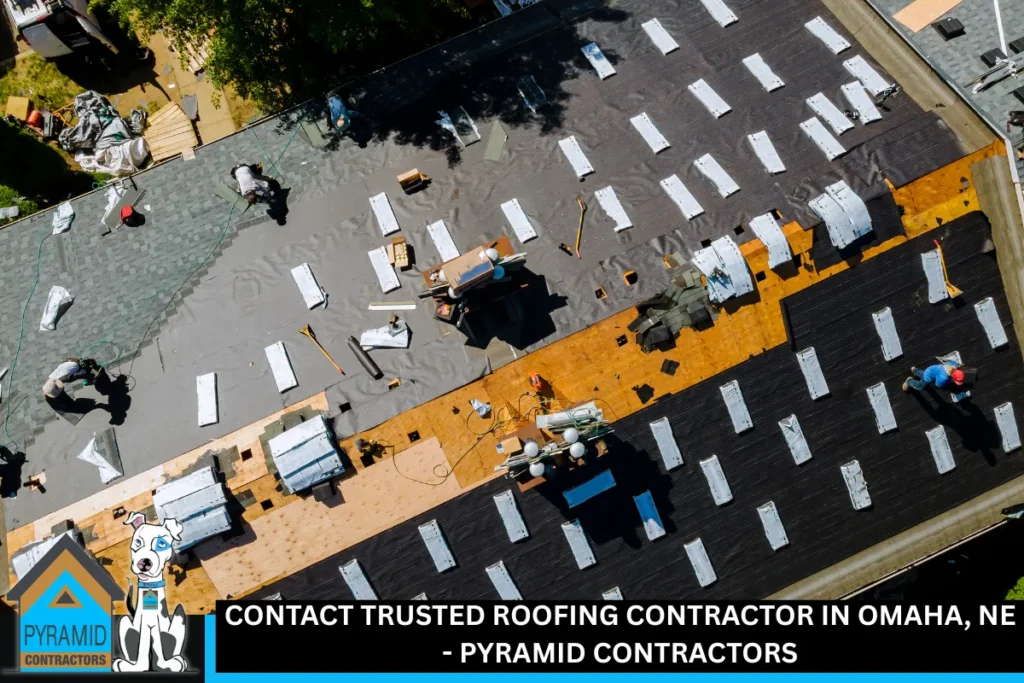
When your roof needs attention, we’re here to help. At Pyramid Contractors, we specialize in roof repairs throughout Omaha, Nebraska and the surrounding communities. Our experienced crew handles everything from shingle replacement and flashing work to storm damage restoration and insurance claim documentation.
We understand that roofing repairs can feel overwhelming, especially after severe weather. That’s why we provide honest assessments that focus on your long-term value and safety—not just a quick fix. Whether you need emergency leak repair or want to determine whether it’s time for a new roof, our team delivers prompt response, professional workmanship, and clean job sites every time.
Call Pyramid Contractors today at (402) 502-9300 or visit our page to fill out our contact form. Let us show you why Omaha homeowners trust us with their most important investment.